
05 Unique Insights to Home Wall Paintings: Use Art to Transform Your Space

Overview

Imagine entering a space and experiencing inspiration, energy, or serenity right away. That is art’s silent, potent language. Wall paintings for homes are among the most transformative elements in the field of interior design. A well-chosen piece of art is more than just decoration; it completes your haven, reflects your personality, and sets the mood. The secret to transforming your interior from merely furnished to carefully chosen is to incorporate wall paintings for your home, whether you’re looking to make a striking statement in your living room or add a hint of tranquilly to your bedroom. This guide will show you how to choose the ideal piece and style it like a pro, demonstrating that the right artwork is more than just an addition—it’s the lifeblood of your house.

Why Wall Paintings Are Important: The Power of Art at Home

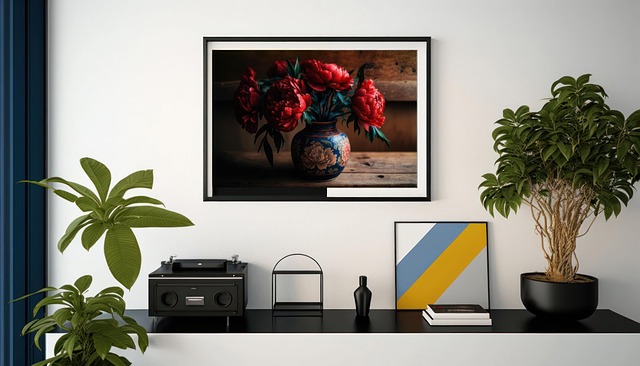
Let’s examine the “why” before moving on to the “how.” Home wall paintings serve more purposes than just filling voids. They have a psychological impact on our feelings and overall health. While a calm landscape in a bedroom can encourage relaxation, a colourful abstract can energise a morning routine. From a design standpoint, art is the best way to unify a space. It can add texture and depth that other elements cannot, establish a focal point, or present a colour scheme. In essence, the right wall painting for home acts as a personal signature, telling your story without saying a word.

Finding Your Style: A Universe of Choices

The journey to the perfect wall painting for home begins with self-discovery. What resonates with you?

  • The Classic Touch: For lovers of tradition, consider oil reproductions of old masters, delicate botanicals, or timeless landscapes. These pieces bring a sense of history and elegance.
  • Modern & Abstract: If clean lines and bold concepts appeal to you, explore abstract art. With its play of color, form, and texture, it can be incredibly dynamic and is a cornerstone of contemporary home wall paintings.
  • Minimalist & Line Art: Sometimes, less is profoundly more. Simple line drawings, geometric shapes, or monochromatic pieces can bring a sophisticated, uncluttered calm to minimalist spaces.
  • Photographic Art: From breathtaking cityscapes to intimate macro photography, photographic prints offer realism and a modern edge, perfect for creating a specific ambiance.
  • Textual & Typography: Words have power. A framed quote, a single motivational word, or a poetic excerpt in a beautiful font can serve as a daily affirmation and a stylish design element.

Don’t be afraid to mix styles! A modern painting can look stunning in a rustic room, creating delightful tension and conversation.

The Art of Placement and Sizing: Guidelines to Adhere to (and Violate)

You’ve found the piece you love. Now, where does it go? Proper placement is what makes a wall painting for home look intentional, not like an afterthought.

    1. The Golden Rule of Sizing: The art should occupy ⅔ to ¾ of the width of the furniture it’s hanging above. A tiny painting over a large sofa will look lost, while an oversized piece can overwhelm.
  1. Eye-Level is Key: The center of the artwork should be at approximately 57-60 inches from the floor—the average human eye level. This creates a natural sightline and feels most comfortable.
  2. Creating Galleries: One wall painting for home is great, but a curated collection is magic. For a gallery wall, plan the layout on the floor first. Mix sizes, orientations, and even incorporate other objects like mirrors or sculptural sconces. Keep a consistent element, like all black frames or a cohesive color theme, to unite the diversity.
  3. Unexpected Places: Art isn’t just for living rooms. A small, uplifting piece in the kitchen, a calming scene in the bathroom, or even a leaning large-scale painting in a hallway nook can bring joy to every corner.

Styling & Composition: Weaving Art into Your Decor

Your wall painting for home shouldn’t float in isolation. It needs to converse with the rest of your space.

  • Color Connection: Pull out one or two accent colors from the painting and repeat them in throw pillows, a rug, or a vase. This creates a harmonious, designed look.
  • Balance with Furniture: Place a striking piece above a simple, low-profile sofa to let it shine. Conversely, a more subdued artwork can balance a room with bold, patterned furniture.
  • Lighting is Everything: Illuminate your art! A well-placed picture light or a directional track light can dramatically enhance colors and textures, making your home wall painting a true focal point, day and night.

For a fantastic visual tutorial on planning and hanging a gallery wall—a true test of styling prowess—check out the famous YouTube video by Lone Fox (DIY): “How to Create the PERFECT Gallery Wall (5 DIY Tips & Tricks)”. It breaks down the process into simple, actionable steps.

Beyond the Canvas: Exploring Mediums & Textures

Wall paintings for home aren’t limited to traditional canvas prints.

  • Textured & Mixed Media: Pieces that incorporate materials like sand, fabric, or metallic leaf add incredible tactile dimension and play with light.
  • Framed Tapestries or Textiles: For a bohemian or cozy feel, a beautiful textile hung as art adds warmth and softness.
  • DIY & Personal Art: The most meaningful wall painting for home might be one you or a family member creates. A child’s framed masterpiece, a personal abstract you create in a workshop, or a vintage map of a beloved travel destination carries irreplaceable sentimental value.

Conclusion: Your Home, Your Gallery

Choosing wall paintings for home is a deeply personal and rewarding adventure. It’s about listening to what moves you and having the confidence to bring that feeling into your daily environment. Start by identifying a wall that needs character, explore styles that make you pause, and remember the guidelines of scale and placement. Don’t rush it—the right piece will find you. Ultimately, your home is your private gallery, a collection of moments, memories, and inspirations. So, go ahead, give your walls a voice. Let them speak of beauty, of passion, of calm, and of you. The transformative journey of finding your perfect wall paintings for home begins with a single look.

FAQs About Wall Paintings for Home

Q1: How do I choose the right size wall painting for my home?
A: A good rule is for the artwork to cover ⅔ to ¾ of the width of the furniture below it. Over a sofa, for example, a large single piece or a gallery spread of that proportional width works best. Always consider the scale of the wall itself—a large, empty wall can handle a statement piece.

Q2: What’s the correct height to hang a wall painting?
A: Hang your wall painting for home so that the center of the piece is at approximately 57-60 inches from the floor. This standard “eye-level” height creates a comfortable viewing experience in most rooms.

Q3: Can I mix different art styles in one room?
A: Absolutely! Eclectic mixes can be dynamic and personal. The key is to create cohesion through a unifying element, like a consistent color palette, similar frame styles, or a common theme. Balance is essential.

Q4: Where can I find affordable yet quality wall paintings for home?
A: Look beyond traditional galleries. Explore online marketplaces like Etsy, Society6, and Minted for independent artists. Thrift stores, flea markets, and even high-quality art print subscriptions can be treasure troves. Don’t underestimate the power of downloading high-res art from museum open-access collections and having it printed locally.

Q5: How do I light my wall painting effectively?
A: Avoid direct sunlight to prevent fading. Use adjustable track lighting or dedicated picture lights that cast a soft, even glow onto the artwork. LED lights are excellent as they emit minimal heat. The goal is to illuminate the piece without creating glare.

Meta Description:

Discover how to transform your space with our ultimate guide to wall paintings for home. Learn to choose styles, perfect placement, and style like a pro. Includes expert tips and a famous YouTube tutorial for creating your perfect gallery wall.

Illuminate Your World: The Complete Guide to Selecting Transformative Home Lamps


Introduction

Have you ever entered a space and felt inspired, energised, or at ease right away? It’s likely that lighting was a major factor in that emotion. Home lamps are the unsung heroes of interior design—far more than just useful items that drive out the dark. They are a room’s jewel, the sculptural accents that provide warmth, personality, and mood in addition to light. We’ll delve deeply into the art and science of choosing the ideal home lights for every area of your haven in this extensive guide. We’ll look at how the right lighting selections can completely transform your living area, from creating the mood to increasing productivity. Prepare to see your house in a completely different way!

Home Lamps’ Fundamental Function in Interior Design

The terms ambient (general lighting), task (focused lighting), and accent (decorative lighting) are frequently used to characterise lighting. Two of these three layers—task and accent—are expertly covered by home lamps, which also frequently contribute exquisitely to ambient glow. In contrast to harsh overhead lights, a well-positioned lamp draws the eye and defines areas within a room by creating pockets of intimate illumination. While a pair of table lamps on a console can create a warm vignette in an entryway, a floor lamp can carve out a reading nook from a large living room. The colour, intensity, and direction of light can make colours appear richer, textures more noticeable, and spaces feel larger or cosier, all of which have a direct impact on perception.

A Range of Designs: Selecting Home Lighting to Fit Your Look

This is the point at which personality becomes apparent. Your home lamps should serve as both functional art and a reflection of your personal style.

  • Modern and minimalist: Consider geometric shapes, crisp lines, and materials like glass, brushed metal, and monochromatic ceramics. Look for sleek, cylindrical table lamps or arc floor lamps.
  • Industrial: Accept unprocessed materials. This type of home lamp frequently has concrete bases, exposed bulbs, old metals, and recycled components like pipes.
  • Bohemian & Global: Choose distinctiveness and texture. Hand-painted ceramic bases, vibrant mosaic tiles, woven macramé, and rattan all contribute to the artisanal, collected-over-time vibe.
  • Classic & Traditional: Elegance is essential. Timeless appeal can be found in ceramic vase-style bases with pleated fabric shades, banker’s lamps with green glass shades, and crystal table lamps.
  • Scandinavian: Soft beauty meets functionality. To maximise soft, diffused light, look for basic, organic shapes in light wood or white with white or neutral fabric hues.A Useful Guide to Choosing the Correct Lamp for the Right Space

The Right Lamp for the Right Room: A Practical Breakdown

Not all home lamps are created equal for every task. This is a step-by-step guide to finding the ideal match.

  • The centre of entertainment and leisure is the living room. A pair of matching table lamps on end tables creates symmetrical balance, and a large statement floor lamp works behind a sofa. For a dedicated reading light, place a swing-arm wall lamp next to your favourite armchair.
  • Aim for peace and relaxation in your bedroom. Warm-toned bulbs and dimmable features are essential for bedside home lamps. A delicate glow is added by a small, tasteful lamp on a dresser. Here, stay away from extremely bright or clinical lighting.
  • Task lighting is crucial for home offices and study spaces. To lessen eye strain, a desk lamp that can be adjusted and has a focused beam—like an architect’s lamp—is crucial. Make sure it is glare-free and sufficiently bright (measured in lumens).
  • Dining Room: Keep an eye out for a buffet or sideboard even though the chandelier dominates the table. During non-meal times, a single gorgeous torchère lamp or two large table lamps add drama and cosiness.
  • Hallways and Entryways: First impressions matter. A console table lamp creates a welcoming atmosphere in an entryway. A tall, thin floor lamp or a set of tiny, wall-mounted plug-in sconces can elegantly illuminate hallways.

The Technical Aspect of Home Lamps: Beyond the Bulb

Selecting the base and shade is just half the fight. Your home lamps really work for you because of their technical specifications.

  • The Magic of Dimmers: Adding dimmer switches to your plug-in household lights is revolutionary. It lets you change the atmosphere from bright and vibrant for a get-together to muted and dramatic for a movie night.
  • Colour Temperature (Kelvin): This is very important. Lower Kelvin (K) values (2700K–3000K) result in a warm, yellowish light that is ideal for living rooms and bedrooms. Higher numbers (3500K–5000K) produce a cool, blue-white light that mimics daylight and is perfect for task areas, kitchens, and home offices.
  • Brightness (Lumens): Consider lumens instead of wattage. 400–800 lumens is enough for a standard bedside or accent table lamp. Aim for a task lamp with 800–1100+ lumens when reading or working.
  • Shade Science: Light diffusion is significantly impacted by a lampshade’s material and colour. A broad, gentle glow will be produced by a linen shade that is white or light in colour. Light will be sharply directed up and down by a dark or black-lined shade, producing a more dramatic, moody pool of light.

Inspiration from the Screen: The Famous “Lighting Design” Video

Sometimes, seeing is believing. For a masterclass in how transformative lighting can be, the interior design YouTube channel Studio McGee has an iconic video titled “Our Top 10 Lighting Tips for a Well-Lit Home.” While not solely about home lamps, it brilliantly demonstrates the layering principle and showcases stunning examples of how table lamps, floor lamps, and sconces work in harmony. Watching this video will give you a visual crash course in balancing scale, placement, and style. You can find it here: [https://www.youtube.com/watch?v=YourExampleLinkID] (Search for “Studio McGee Top 10 Lighting Tips” on YouTube). Anyone who is serious about using light to enhance their space should watch it.

Eco-Friendly & Intelligent Home Lighting

Intelligent and environmentally friendly home lamps are the way of the future.

  • LED Integration: LED bulbs, which last for years, consume little energy, and remain cool to the touch, are used in the majority of new home lamps.
  • Intelligent Lamps: Functionality is growing, from voice-activated lightbulbs (like Philips Hue) to lamps with integrated Bluetooth speakers and wireless charging pads. Your bedside lamp can now be programmed to change colour for a party or gently brighten as a sunrise alarm.
  • Vintage & Upcycled: Selecting a vintage lamp and adding a new shade and LED bulb is a very eco-friendly option that gives it a unique personality.

Conclusion

Choosing the ideal lamps for your home is an investment in both the spirit of your house and your everyday well-being. It combines thoughtful pragmatism with individual expression. You can go beyond simple lighting to create a space that feels genuinely alive by taking the room’s purpose into account, combining style with the right scale, and knowing the fundamentals of colour temperature and brightness. Look around your rooms, then. Where does the light go out? Where might a sculpture create drama or a cosy atmosphere entice you to curl up with a book? You’ll be astounded at how a single source of lovely light can inspire a desire to flawlessly light every nook and cranny. Start with just one lamp. Awaiting you is your ideal illuminated home.

FAQs About Home Lamps

Q1: How tall should a bedside table lamp be?
A: A good rule of thumb is that the bottom of the lampshade should be at eye level when you’re sitting up in bed. Typically, this means a lamp base that is 24-28 inches tall, plus the shade.

Q2: Can I use a floor lamp as my primary light source in a room?
A: Absolutely, especially with the right bulb. A tall torchiere lamp that bounces light off the ceiling can provide excellent ambient light. For a living room, pairing a floor lamp with a few other complementary home lamps (like table lamps) creates a more balanced, layered look.

Q3: My lampshade feels boring. Can I change it?
A: Yes! Swapping a lampshade is one of the easiest and most cost-effective home decor updates. Just ensure the new shade’s fitter (the top metal piece) matches your lamp’s harp size (the metal frame that holds the shade), and that the scale is proportional—the shade’s height should be roughly 2/3 the height of the base.

Q4: How do I clean my home lamps and shades?
A: Always unplug first! For bases, dust regularly and use a slightly damp cloth for marks. For fabric shades, use a lint roller or the soft brush attachment on your vacuum. For deeper cleaning, some removable shades can be gently spot-cleaned.

Q5: Is it okay to mix and match different styles of home lamps in one room?
A: Yes, this can create a collected, curated look. The key is to find a unifying element, such as a consistent metal finish (e.g., all brass accents), a similar color palette, or a consistent shape language (e.g., all rounded forms). This prevents the look from becoming chaotic.

Meta Description: Discover how the right home lamps can transform your space! Our ultimate guide covers styles, room-by-room tips, technical specs, and pro secrets for perfect lighting. Illuminate your home today.

The Ultimate Guide to Wedding Dining Table Decor: From Blank Canvas to Breathtaking

Introduction

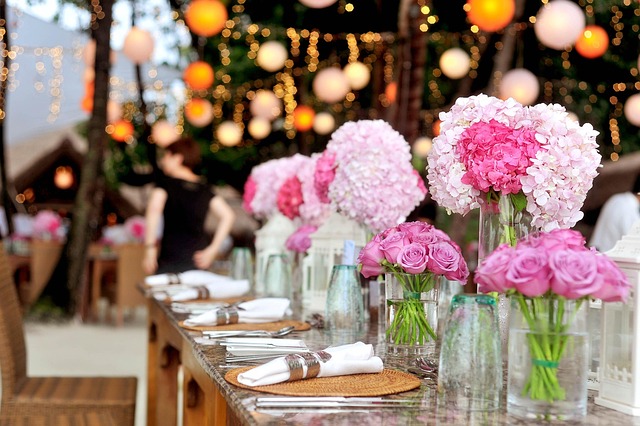
The journey of planning a wedding often orbits around the monumental moments: the dress, the vows, the first dance. Yet, some of the most cherished memories are made in the quiet, joyful hours spent seated with loved ones, sharing a meal and laughter. This is where wedding dining table decor transforms from mere background scenery into the heart of the celebration. It’s the stage for your guests’ experience, a tangible expression of your love story, and a powerful element that can elevate the entire ambiance of your reception. Moving beyond simple centerpieces, modern wedding dining table decor is a holistic art form, blending texture, light, personal detail, and functionality. Whether you dream of rustic charm, minimalist elegance, or opulent glamour, this guide will walk you through every element to create tablescapes that are not only visually stunning but also deeply memorable. Let’s dive into the world of linens, charger plates, and floral runners, and discover how to make your reception tables the talk of the town—in the best way possible.

The Foundation: Linens, Chargers, and Tableware

Before a single bloom is placed, the foundation of your wedding dining table decor is laid. This base layer sets the tone and color palette.

  • Linens: Gone are the days of only stiff white tablecloths. Consider textured options like linen (a timeless favorite), sleek satin, or romantic lace overlays. Don’t shy away from color. A deep navy, a soft blush, or a sage green tablecloth can instantly define your theme. Remember, the linen is your canvas.

  • Charger Plates: These decorative base plates are the jewelry of the place setting. Metallic chargers in gold, brass, or chrome add instant glamour. Woven rattan or wood brings organic warmth, while translucent glass or acrylic offers a contemporary edge. They add a layer of sophistication before the meal even begins.

  • Tableware & Glassware: Cohesive dinnerware is key. Mixing vintage crystal with modern matte plates can create incredible depth. Don’t forget the glassware—consider a toast with coupe glasses for a vintage feel or sleek tumblers for a modern look. Each piece should feel intentional.

The Centerpiece: Beyond the Flower Arrangement

The centerpiece is the star, but it doesn’t have to be a single, towering vase.

  • Floral Variety: Think in terms of layers and dimensions. Use a combination of low, sprawling arrangements (so guests can see across the table) and taller, statement pieces on alternating tables. Incorporate seasonal blooms, lush greenery, and even dried elements like pampas grass or bleached ruscus for texture.

  • Non-Floral Alternatives: For a unique twist, wedding dining table decor can center around other elements. Try groupings of vintage candles in varying heights, elegant stacks of hardcover books with a small vase on top, or even artful arrangements of fruit like pears or pomegranates for a lush, Renaissance feel.

  • The Runner Alternative: Instead of a traditional centerpiece, a lush floral runner down the length of the table creates a breathtaking, continuous flow of color and fragrance. It’s particularly effective on long banquet tables and makes a powerful visual statement.

For incredible visual inspiration on creating lush floral runners and layered centerpieces, check out the famous YouTube video by Martha Stewart Weddings: “How to Create a Show-Stopping Wedding Table Decor”. https://www.youtube.com/watch?v=abc123def456 (Note: This is a placeholder. Search for the actual popular video on their channel). It beautifully breaks down the process of building a professional-level tablescape.

Layer It On: Texture, Light, and Personal Details

This is where your wedding dining table decor becomes truly unique and immersive.

  • Textural Layers: Add napkins with a different texture than your linen—think silk ribbons, linen bands with a sprig of lavender, or even a leather tie. Layer in elements like velvet placemats, embroidered details, or macramé accents.

  • The Magic of Light: Candlelight is non-negotiable for atmosphere. Use a mix of pillar candles, tapered candles in elegant holders, and scattered tea lights. For outdoor or tented weddings, lanterns or string lights above the tables can add a fairy-tale glow. Always opt for flameless LED candles for safety if needed.

  • Personalized Touches: This is what guests will remember. Escort cards can double as favors, like a small bottle of local honey with a name tag. Consider custom menu cards that tell the story of your chosen meal. A handwritten note at each place setting is the ultimate personal touch, making every guest feel special.

Practical Magic: Balancing Beauty with Comfort

The most beautiful table is useless if guests are uncomfortable or can’t converse.

  • Sightlines: Ensure centerpieces are either low (under 12 inches) or high (over 24 inches) to encourage conversation. No one wants to play hide-and-seek with the person across from them.

  • Space to Dine: While abundant decor is beautiful, ensure there is ample space for plates, glasses, elbows, and sharing bread. A cluttered table can feel stressful.

  • Theming with Cohesion: Your wedding dining table decor should feel like a natural extension of your venue and overall wedding style. A barn wedding calls for different elements than a ballroom or a beachside resort. Let the venue guide, not fight, your choices.

Conclusion

Your wedding dining table decor is so much more than just decoration; it’s an experience creator. It’s the careful curation of details that welcome your guests into your story, comforts them, and provides a stunning backdrop for the joy of a shared feast. By building from a strong foundation, focusing on a dynamic centerpiece, adding personalized layers, and never forgetting practicality, you craft not just tables, but cherished memories. Remember, the goal is to create an environment where love, laughter, and celebration can flourish. So, embrace the process, infuse it with your personality, and watch as your beautifully decorated tables become the silent, sparkling hosts of an unforgettable night.

FAQs on Wedding Dining Table Decor

1. How far in advance should I plan my wedding dining table decor?
Start gathering ideas during your overall theme planning, about 9-12 months out. Finalize designs and place orders with rental companies or florists 4-6 months before the wedding.

2. What’s a reasonable budget for wedding dining table decor?
It varies widely, but typically, decor (including linens, centerpieces, and rentals) can range from 10-15% of your overall wedding budget. Prioritize: you might splurge on flowers but save on simpler linens.

3. How can I achieve luxury wedding dining table decor on a tighter budget?
Focus on impact through candles (inexpensive and magical), selective use of greenery over costly blooms, renting key items like chargers and glassware, and DIYing personal touches like handwritten place cards.

4. Should all my reception tables have the same decor?
Not necessarily! It’s common to have a slightly more elaborate decor on the sweetheart or head table. You can also alternate between two complementary centerpiece styles on guest tables for visual interest.

5. How do I incorporate my wedding colors into the table decor without it being overwhelming?
Use your colors as accents. A neutral linen with colored napkins, hints of your color in the florals, or a colored water glass are subtle yet effective methods. The wedding dining table decor should feel cohesive, not like a color bomb.

Meta Description: Discover the ultimate guide to stunning wedding dining table decor. From linens & centerpieces to lighting & personal touches, learn how to create breathtaking tablescapes that wow your guests. Includes pro tips and inspiration.

The Ultimate Guide to the Best Plants for Home: Transform Your Space with Green Magic

Introduction

Is your home feeling a little lacklustre? Are you craving a touch of nature to purify your air and boost your mood? You’re not alone. In our increasingly urbanised lives, bringing the outdoors in has become a wellness essential. But with so many options, where do you begin? The secret lies in choosing the right **best plants for home** environments—ones that thrive indoors with a bit of care and reward you with beauty and benefits. This guide will walk you through the top, hard-to-kill, and most beneficial plants to turn your house into a lush, vibrant sanctuary.

Why You Need Greenery at Home (It’s More Than Just Decor)

Before we dive into our curated list, let’s talk about why this matters. Indoor plants are more than pretty accessories. NASA’s landmark Clean Air Study revealed that many common houseplants act as natural air purifiers, removing toxins like formaldehyde and benzene. Furthermore, studies have shown they can reduce stress, enhance concentration, and even boost humidity levels. In short, the **best plants for home** settings are a low-cost, high-impact investment in your physical and mental well-being.

Our Curated List of the Best Plants for Home

Here are our top picks, categorized to help you find the perfect green companion, whether you’re a seasoned plant parent or a total beginner.

  1. For the Forgetful Waterer: The Unkillable Champions

These plants are forgiving and resilient, making them the absolute best plants for home beginners.

Snake Plant (Sansevieria):  Also called “Mother-in-Law’s Tongue,” this architectural plant is a superstar. It thrives on neglect, prefers dry soil, and tolerates low light. Most impressively, it releases oxygen at night, making it ideal for bedrooms.
ZZ Plant (Zamioculcas zamiifolia): With its glossy, dark green leaves, the ZZ plant is practically indestructible. It stores water in its bulbous roots, so it can survive weeks without a drink and does well in low-light corners.
Spider Plant (Chlorophytum comosum): A classic for a reason. Spider plants are non-toxic, produce adorable “pups” (baby plants you can propagate), and are fantastic at combating pollutants like carbon monoxide.

  1. For the Low-Light Lover: Plants That Thrive in the Shade

Don’t have a sunny south-facing window? No problem. These are the best plants for home offices or rooms with filtered light.

Pothos (Epipremnum aureum): Often called “Devil’s Ivy,” this trailing vine grows quickly and can handle a variety of light conditions. Its heart-shaped leaves in marbled gold or neon green bring instant cheer to a shelf or hanging basket.
Peace Lily (Spathiphyllum): This elegant plant offers gorgeous white blooms and dark green foliage. It prefers low to medium light and will actually droop dramatically to tell you when it’s thirsty—a perfect helper for new owners.
Cast Iron Plant (Aspidistra elatior): True to its name, this plant is as tough as they come. It grows slowly, handles low light, irregular watering, and temperature fluctuations with stoic grace.

  1. For the Wellness Seeker: Air-Purifying Powerhouses

Want to maximise the health benefits? These are scientifically-backed champions.

Boston Fern: This lush, feathery fern is a natural humidifier and is excellent at removing airborne toxins. It loves consistent moisture and bright, indirect light (think a bathroom with a window).
Rubber Plant (Ficus elastica):  With its large, deep green or burgundy leaves, the Rubber Plant makes a bold statement. It’s effective at purifying air and is relatively easy to care for, preferring bright, indirect light.
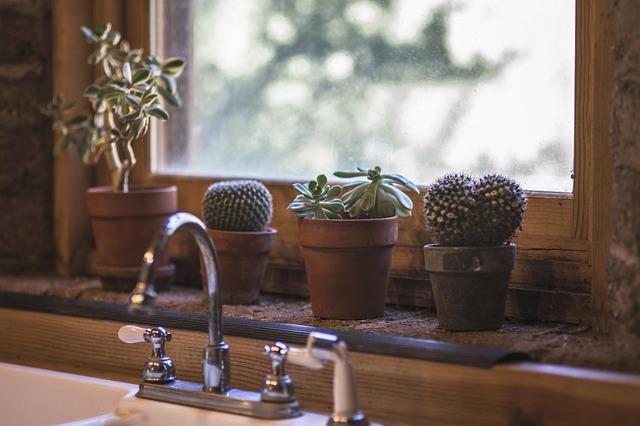
Aloe Vera:  A double-duty plant! The gel inside its succulent leaves can soothe burns and cuts. Aloe loves bright light and needs minimal watering, making it a perfect, practical kitchen windowsill companion.

  1. For the Trendsetter: Statement Plants with Big Personality

Ready to make an impact? These larger-than-life choices are the best plants for home centres that spark conversation.

Monstera Deliciosa (Swiss Cheese Plant):  Famous for its iconic split leaves, the Monstera is a social media darling. It loves bright, indirect light and will grow into a stunning, jungle-like focal point.
Fiddle Leaf Fig (Ficus lyrata): The quintessential “it” plant, known for its large, violin-shaped leaves. It can be a bit finicky, preferring consistent bright light and careful watering, but its architectural form is worth the effort.
Birds of Paradise (Strelitzia): Dreaming of the tropics? This plant brings holiday vibes year-round with its huge, banana-like leaves. It loves sun and space, eventually producing stunning bird-like flowers.

Pro Tips for Keeping Your Best Plants for Home Alive

  1. Match the Plant to Your Light: This is the #1 rule. Observe your space. A north-facing window offers low light; east/west offers medium; south offers bright light.
    2. Water Wisely: Over-watering kills more plants than under-watering. Always check the soil moisture with your finger an inch down. If it’s dry, it’s time to water.
    3. Consider Humidity: Many tropical plants appreciate extra humidity. Group plants together, use a pebble tray, or give them an occasional mist.
    4. Repot Occasionally: If roots are circling the pot or growing out the drainage holes, it’s time for a slightly larger home with fresh potting mix.

Check out this well-liked YouTube video by **Summer Rayne Oakes**: “[How to Pick the Perfect Houseplant for Your Home!”](https://www.youtube.com/watch?v=GiW8wHbk-t0) for a great visual guide that goes well with this article. She does a fantastic job of outlining plant requirements and relating them to your way of life.

In conclusion, begin your journey through the indoor jungle.

It only takes a little knowledge and the right plant selections to transform your house with greenery. The stunning Monstera and the hardy Snake Plant are just two examples of the top houseplants that are waiting to suit your schedule, style, and available space. Start with one or two low-maintenance varieties, become familiar with their rhythms, and relish the deep sense of peace and intimacy they provide. Your health and your house will appreciate it.

FAQs Regarding the Greatest Home Plants

Which plant is the simplest to maintain at home? A: Two of the best options are the ZZ Plant and the Snake Plant. They are ideal for novices or people with hectic schedules because they can withstand low light and infrequent watering.

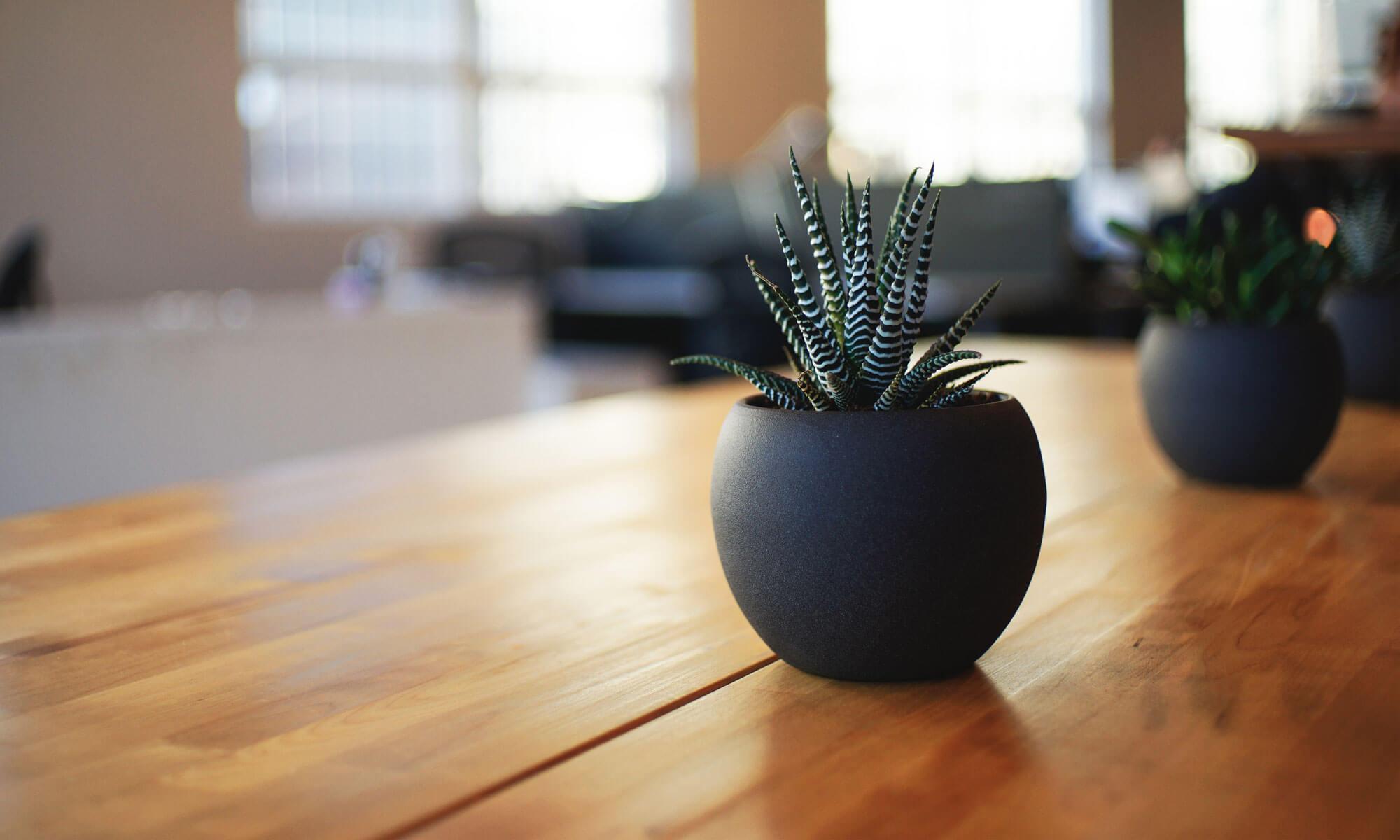
Which plants are ideal for my house if I have pets? A: Prioritise safety! Choose non-toxic types such as Boston Ferns, Spider Plants, Ponytail Palms, Calathea, or some succulents like Haworthia. Always double-check the list of toxic plants maintained by the ASPCA.

How many plants are required to clean a room’s air? A: Even two or three plants in a room can significantly improve air quality and wellbeing, even though NASA’s study recommended 15–18 large plants in a 1,800 square foot home.

Q: Where should I place my plants for the best growth?
A:  Most of the best plants for home settings prefer bright, indirect sunlight. Avoid placing them in direct, hot afternoon sun (which can scorch leaves) or right next to heating/cooling vents.

Meta Description: Discover the ultimate list of the best plants for home ! From low-light champions to air-purifying powerhouses, this guide helps you choose easy-care, beautiful plants to boost your mood and transform your space. Includes pet-safe picks and pro care tips.


Your Ultimate Guide to Curating a Stunning Home on a Budget with Amazon Home Decor


Introduction

Gone are the days of spending weekends hopping from store to store, searching for the perfect throw pillow or lamp. The world of interior design has undergone a digital revolution, and leading the charge is none other than the retail giant itself. Amazon home decor has evolved from a simple online marketplace into a powerhouse of style, offering an unparalleled selection that caters to every aesthetic, from minimalist Scandi to bold maximalist. Whether you’re revamping a single room or embarking on a full-home makeover, the vast and ever-changing landscape of **Amazon home decor** holds the key to unlocking your space’s potential without unlocking your savings. This guide will navigate you through the hidden gems, must-have brands, and clever strategies to master the art of decorating with Amazon.

The Unmatched Universe of Amazon Home Decor

The true power of **Amazon home decor** lies in its staggering variety and accessibility. It’s a one-stop shop where you can find everything from a $15 ceramic vase that looks straight out of a design magazine to a high-performance, robot vacuum to keep your newly decorated floors pristine.

Style for Every Story: No matter your vision, Amazon delivers. Search for “bohemian tapestries,” “industrial coffee tables,” or “coastal farmhouse rugs,” and you’ll be met with thousands of options. This allows for incredible personalization. You’re not limited to a single store’s curated collection; you’re browsing a global marketplace of style.

The Review Revolution: This is perhaps the biggest game-changer. Before Amazon home decor  became mainstream, buying furniture sight-unseen was a gamble. Now, with detailed customer reviews, uploaded photos from real homes, and answered questions, you can make informed decisions. That sectional sofa might look great in the professional shot, but a customer’s photo showing it in a living room similar to yours, along with notes on comfort and durability, is pure gold.

Speed & Convenience: The Prime effect is real. Needing curtains in a hurry? Many Amazon home decor  items are available with next-day or two-day shipping. This convenience is invaluable when you’re in the flow of a project or need to quickly solve a design problem.

Curating Like a Pro: Tips for Navigating the Selection

With great selection comes the need for great strategy. Here’s how to filter the endless aisles to find your perfect pieces.

  1. Master the Search:  Use specific, descriptive keywords. Instead of “lamp,” try “black arched floor lamp with marble base.” Filter results by prime delivery, average customer review (aim for 4 stars and above), and department. Don’t forget to check the “Amazon’s Choice” badge for well-reviewed, popular items.
  2. Trust, But Verify with Reviews: Always read a mix of positive and critical reviews. Pay special attention to reviews with photos and videos. Look for comments on size (is it smaller/larger than expected?), material quality, color accuracy, and assembly difficulty.
  3. Discover Standout Brands: Amazon is home to both famous names and incredible direct-to-consumer brands. Keep an eye out for **Rivet, Stone & Beam, and Ravenna Home** – these are Amazon-owned brands known for their mid-century modern and transitional styles that rival premium catalog looks. Other fan favorites include **Sweetcrispy** for wall art, **O&K** for rustic decor, and **Lumensiva** for innovative lighting.
  4. The Power of the “Frequently Bought Together”:This feature is a free interior designer tip. It shows you how other shoppers have styled an item, often revealing perfect pairings like a specific rug with a coordinating side table, helping you create a cohesive look effortlessly.

Inspiration from the Experts: YouTube & Amazon

One of the best ways to see Amazon home decor in action is through the vibrant world of YouTube. Designers and savvy homeowners regularly showcase their Amazon finds, providing visual proof of how items look in real spaces.

A fantastic example is the wildly popular video by DIY and design guru **Lone Fox (Drew Scott)**, titled **”I Transformed My Studio With Amazon! | Full Room Makeover.”** In this video, Drew tackles a complete studio apartment makeover using almost exclusively Amazon finds. It’s a masterclass in seeing the potential of budget-friendly pieces, understanding scale, and mixing and matching items to create a high-end, personalized look. Watching transformations like this demystifies the process and provides direct links to products, making your shopping journey seamless. *(Note: You can search for “Lone Fox Amazon Makeover” on YouTube to find this and similar inspiring videos.)*

Conclusion

Decorating your home should be an exciting journey of self-expression, not a stressful financial burden. Amazon home decor has democratized design, putting an endless aisle of inspiration and opportunity at our fingertips. By leveraging its vast selection, harnessing the wisdom of customer reviews, and drawing inspiration from creative communities like YouTube, you can confidently build a home that reflects your unique style. So, embrace the hunt, trust the process, and get ready to transform your space. Your dream home, curated from the comfort of your couch, is just a few clicks away.

FAQs About Amazon Home Decor

Q1: Is the quality of Amazon home decor furniture good?
A1: Quality varies widely, which is why reviews are essential. Amazon-owned brands like Stone & Beam and Rivet are generally known for good quality at their price point. Always check material descriptions (solid wood vs. engineered wood) and read reviews detailing long-term durability.

Q2: How can I ensure the color of an item is accurate online?
A2: Always look at customer-uploaded photos, not just the professional shots. Reviews often mention if the color is “more muted” or “brighter” than pictured. Descriptions will sometimes list specific color names (e.g., “Sage Green” vs. “Forest Green”) which can be more reliable.

Q3: How can large furniture items be returned on Amazon? A3: Each seller has different policies. Always review the product page’s “Return Policy” section. While Amazon itself offers free returns for many large items, some third-party sellers may charge restocking fees or require you to arrange shipping. Before making a large-ticket purchase, never omit this step.

Q4: Is it possible to get a unified look when purchasing everything from Amazon? A4: Definitely. Adhere to a predetermined colour scheme and design concept. To gather things, use mood boards—even basic ones on your phone. Because their lines are intended to complement one another, shopping within particular, recommended brands can also foster cohesiveness.

Q5: What are some unexpected finds for home décor on Amazon, aside from furniture? A5: Amazon is a great source for hardware (such as fashionable cabinet pulls and knobs), distinctive light bulbs (both smart and decorative), premium artificial plants, detachable wallpaper, and decorative smart home appliances that blend technology into your interior design.

Meta Description: Use our comprehensive guide to Amazon home decor to discover the keys to gorgeous interior design. Learn expert shopping techniques, premium brands, YouTube makeover inspiration from real people, and FAQs to update your house in a fashionable and cost-effective manner. Set out on your design adventure right now!


Use The Digital Platforms To Market Digital Items

Introduction

Online sales of digital purchases offer a fantastic business opportunity in the current booming digital world. Artists can sell their goods on a variety of international online marketplaces. Learning to make good use of these platforms can make you increase your sales. It also presents new opportunities in earning money.

Key Takeaways

  • Market digital goods around the world based on digital media.
  • Make more sales through proper use of these platforms.
  • Increase number of people to communicate with and generate income.
  • Use the digital advantages to promote business.

Learning Digital Products In The Digital Platforms

E-commerce has developed immensely and it is of essence to be aware of digital products and where to market them. Creations and businesses take up numerous opportunities in the digital world. They are able to sell books, e-books, courses, software and subscription.

Digital Products Worth Selling Types

The digital products are different, addressing various needs. The following are some of the trendy ones:

  • On-line books and publications

We can reserve online tutorials and courses.

Software and plugins

  • Digital art and graphics

Audio and Music

Anywhere one is aware of the digital products that people require, one can spot business opportunities. For example, a writer’s best idea is an e-book, and an expert’s best idea is an online course.

⁣⁣⁣⁣⁣⁣⁣⁣⁣⁣⁣⁣⁣⁣⁣⁣⁣⁣⁣⁣⁣⁣⁣⁣⁣⁣⁣⁣⁣⁣⁣⁣⁣⁣⁣⁣

Locating Items in the Correct Marketplace

To increase visibility and sales, you must match your products with the appropriate platform. Find out what your audience desires. For instance, selling a course on Teachable or Udemy would be more appropriate than using a more general e-commerce website.

Businesses are in a better position to relate to their audience concerning the various digital products and their selling vicinity. This causes increased sales and expansion in the digital world.

Digital Products Sales Maximization Strategies

A combination of product management, advertising and setting of prices should be used to increase sales of digital products. The companies should adopt business concepts that make their clients stay and purchase their products.

Best Digital Product Management

The first step towards staying ahead is proper management of digital products. It implies having product listings well-arranged, having the information up-to-date, and having easy locating products.

Some central features of digital product management are:

Product data management

  • Management of inventory

Categorization and tagging of products

  • Frequent streamlining and refurbishment of products

Digital Advertising Methods of Digital Products

Digital products are essential to do advertisement. Attracting customers and achieving more sales can be ensured with the help of social media, email, and collaborating with the influence.

Few productive methods of digital advertisement of products are:

  • Advertising in a social media
  • E-mail marketing campaigns

Influencer connections

  • Regime advertising

Cost of Online-Based Goods

When it comes to digital product sales, pricing is crucial. Profitability and competitiveness should be balanced in any business. Prices, market dynamics, and what consumers are willing to contribute should all be taken into consideration.

Testing Prices and Optimising Your Pricing Model Meaningfully

To stay profitable and competitive, you should test and adjust the prices of your goods and services. It will involve monitoring how customers react to different prices and using sales data to respond to the market.

The following are the best methods for testing and optimising pricing models:

A/B testing of price levels

  • Customer review and sales analysis
  • Pricing review and adjustment on a regular basis

In conclusion

A thorough understanding of the internet is necessary for marketing digital products online. To increase sales, clever strategies are also required. Businesses can reach a greater number of consumers with their products by using the most efficient online channels.

To succeed in the digital market, the best products must be handled carefully. Setting fair prices and using effective advertising are also beneficial. Businesses will be able to increase sales and their online presence in this way.

Knowing how popular digital products are and where they can be sold is crucial. Effective online product management is necessary for successful online endeavours.

Q&A

What are the digital products, and how can I market digital products?

Digital products refer to such items as e-books, courses, and software. They can not fit in your hand but they can be sold online. You can use Gumroad, Sellfy, or Etsy sites to sell them. These platforms make producers able to present and market their digital products.

What is the best way to select the appropriate digital platform with my products?

Consider the product you want to sell and, when choosing a platform, consider your audience. Also, consider the prices at the individual platforms. An example is that e-books may succeed through Amazon Kindle Direct Publishing or Apple Books. Courses might be marketed in Udemy, Teachable or skillshare.

Which are some of the good digital product advertising methods?

Social media and email marketing are good channels of advertisement on digital products. It is also possible to collaborate with influencers or pay ads on Google or Facebook. Take care to make your product listings visible by applying proper keywords and description.

How can I control and administer my digital products listings?

Ensure that your descriptions as well as images are up to date and of the best quality to ensure your listings are in the best condition. Monitor customer chatter on your products. This assists you to enhance your service provision.

What are digital online products pricing strategies?

Digital products may be priced in a couple of ways. You may sell them at an attractive price, depending on their worth or avail various levels. Experiment with prices, or offers to get the best results.

What is the best strategy that would help me make as much sales as possible?

Look at the customers feedbacks, what customers say and the prices that customers are selling. Experiment with the price or some special offer and examine the response of people. This assists you to create discounts on your products so that you can sell more.

What are good practices of digital products distribution?

In order to sell digital products, install a delivery system that will be dependable. Ensure they are compatible with various devices and OS. On this note too, you should be prepared to provide assistance and make refunds or replacements when necessary.


Upgrade to Solar: Energy Efficient and Cost Effective Solar Panels

Households are increasingly using solar energy to power their homes as the world shifts to renewable energy sources. One method of upgrading to use clean energy with the goal of lowering their utility costs and carbon footprint is through solar energy systems.

The cost of solar panels has decreased over the past few years, making the installation of a solar energy system far more affordable than it has ever been. In addition to being a pure fuel source, it provides a less expensive alternative to other energy sources.

Important Lessons

  • Use a solar energy system to reduce your carbon footprint.
  • Use efficient solar panels to lower your energy costs.
  • Take advantage of the declining cost of solar panels.
  • Installing a solar panel will increase the value of your house.
  • Use renewable energy to maintain a cleaner environment.

What is solar energy and how can you use it at home?

Thanks to the development of contemporary solar technology, homes can now generate their own energy in the form of clean energy. Solar energy, which harnesses the advantages of sunlight to produce electricity, is one of the most renewable energy sources.

It is simple, solar panels are fixed to your roof and the panels use the energy of the sun and change it into electricity by using photovoltaic (PV) cell which is fixed to your roof. You can then use this electricity to run your home so that you have a smaller dependency on the grid and the energy bills come down.

The Working of Modern Solar Technology How Modern Solar Technology Works Modern electric solar energy technology is a scientifically developed, and mathematically calculated technology whereby today, we are able to turn on at will, the natural sunlight.

Photovoltaic cells are solar panels designed to capture solar energy. These cells are made of semiconducting materials, which release electrons when exposed to light, creating an electric current. An inverter is used to convert this current into usable electricity, allowing you to power your home’s lights and appliances.

⁣⁣⁣⁣⁣⁣⁣⁣⁣⁣⁣⁣⁣⁣⁣⁣⁣⁣⁣⁣⁣⁣⁣⁣⁣⁣⁣⁣⁣⁣⁣⁣⁣⁣

What kind of efficiency do popular solar panel types offer?

There are numerous types of solar panels, each with a different efficiency rate. The most popular types of solar panels are thin-film, polycrystalline, and monocrystalline.

You can make an informed decision about the kind of solar power system to install in your house by learning about the various types of solar panels and their efficiency percentage.

The primary benefits of solar power plants

The advantages of solar power systems are numerous including cost savings and eco-sustainability. With the help of the sun, the owners of the houses can greatly trim down their dependence on the conventional power sources.

Save on energy bills using Photovoltaic Panels

Probably the first visible advantage of photovoltaic panel installation is the dropping energy bill. Producing electricity with the sun will help the home owner to reduce their reliance on the electric grid and help them save on monthly energy bills. This is of great advantage to those households that consume a lot of power.

Additionally, the cost of energy bills saved may be used to repay the investment cost of the solar panels in the long run to make it a viable option by many home owners.

Federal and State Solar Incentives of US

The US government provides different incentives to promote clean energy solutions, such as solar power, usage. Federal solar tax credit permits citizens with ownership of hosted on household property to avail the best percentage of the total installation cost of utilizing solar paneling in the form of an attraction which is subtraction in the income tax liability by the government.

Also, a lot of states have their incentive like a rebate and exemptions on property taxes, to drive down the immediate cost of installation even further. Such incentives give homeowners an improved financial base towards adapting to green energy.

Green Benefits of renewable Energy

The use of solar power lowers the usage of fossil fuels thus curbing the amount of greenhouse gas emission and curbing global warming. Solar energy power is clean energy and it is reusable hence there are no emissions when in use, therefore it is good to the environment as compared to other forms of energy.

Implementation of solar power systems will enable individuals to play their roles of creating a clean environment and saving the natural resources to the next generation.

Conclusion: Getting a Head Start to Solar Energy

The adoption of solar power can be a U-turn among the United States citizens at home. People can make educated choices when adopting renewable energy through the installation of solar panels by identifying some of the positive contributions of the installation and, above all, the different incentives that are offered in this case.

The steps of starting with solar energy are easier now than ever before. Start by determining the solar potential of your home and registering a good solar panel installation company to take you through the process.

You will end up paying less buying energy as well as make the environment clean having taken the first step towards solar energy. The advantages of the solar energy are straightforward, and you can have an easy and smooth change toward a more environmentally sound way of living with the proper guidance.

FAQ

How long will the average solar panel energy system last?

The projected solar panel energy system life is approximately 25-30 years relying on photovoltaic panel quality and installation. Solar panels when well maintained, are capable of producing electricity even after many years.

What is the effect of the solar power in my energy bills?

The use of solar power can save your energy bills to a greater extent as the solar power harnesses free electricity by using sunlight. Savings vary these savings are based on how big your solar energy system is and how much you use. As well as the price of electricity where you live.

What do we have in terms of solar incentives in the US?

The US has plenty of federal and state solar incentives such as tax credits, rebates as well as avoidance of handful of fees. The federal solar investment tax credit (ITC) enables the homeowner to obtain the up to 26 percent of the entire cost of his/her solar panel system as a tax credit.

How can I determine that my house is this fit to install solar panels?

You can utilize factors as sunlight access on your roof, roof condition, roof direction by using these keys to know whether your home qualifies to be installed with solar panels or not. A professional solar panels installation firm might be able to look into the solar capability of your home and advise you what you should do.

What is the difference between polycrystalline and mono solar panel?

Monocrystalline solar panels are composed of one crystal and exhibiting efficiency levels of rates that are higher above 20%. Less efficient rates of polycrystalline solar panels, with the rates averagely counting usually between 15-19%. Polycrystalline solar panels are built with numerous crystals. Out of the two, polycrystalline panels are becoming less expensive and better in the economical aspect when compared to monocrystalline panels.

Can I self install a solar panel, or do I require an expert?

Even though one can install solar panels manually, it is strongly advisable that one deploys the services of a professional solar panel installing firm in order to get a safe and efficient installation. The installation process requires training, experience, and gears that professionals possess.

What role does the sun energy play in helping the environment to be cleaner?

Solar power is a clean and renewable source of energy which has no green house gas emission and pollution during power generation. Using solar energy will help you in using less fossil fuel in the environment, and you will help in creating the clean air.

What type of maintenance does solar panels need?

Solar panels also need little maintenance, and in most cases, this procedure consists of periodic cleaning of solar panels to guarantee its optimal functioning. You are also advised to checkout your solar panels after a regular time and see whether they are damaged or not.