

Hello, Interiors! Take Off with These 7 Rugs with Blue and White Patterns


There are many trends in the field of interior design, but some timeless, guiding, and breathtakingly beautiful classics are like lighthouses. The first item on that list? The timeless appeal of rugs with blue and white patterns. This dynamic pair is a story woven into the fabric rather than merely a colour palette. It’s the depth of the midnight sea meeting the crispness of a summer sky dotted with clouds. It is subtly commanding, globally inspired, formally stylish, and coastal casual. In this in-depth examination, we’ll look at seven different blue and white patterned rug styles that can turn your anchor room from ordinary to spectacular.

Why White and Blue? A Classic Love Story

Let’s take a moment to consider why before revealing our amazing seven. In all of its hues, blue conveys intelligence, stability, and serenity. White is a symbol of light, space, and purity. When combined, they produce a contrast that is both cool and incredibly inviting, striking but never startling. An essential piece that serves as both a soothing anchor and an alluring focal point is a rug with a blue and white pattern. It can be used in almost any style, including bohemian escape, modern farmhouse, Scandi minimalism, and traditional libraries. It is the design equivalent of a well-tailored striped shirt—it is consistently appropriate and fashionable. Now, let’s chart our course through the seven stellar styles of blue and white patterned rugs.

The Magnificent 7: Rugs with White and Blue Patterns to Define Your Area

First. The Traditional White and Navy Striped Carpet

Let’s begin with the undeniable master of nautical style. Imagine striking bands of bright white and deep navy that alternate. The main focus of this rug is establishing rhythm and structure. It’s ideal for creating a grounded foundation beneath a bed or dining table, extending a room, or defining a hallway runner. It looks great with brass accents, clean linens, and natural wood. Go no farther than Studio McGee’s legendary interior designer Shea McGee for a master class in applying this style. She frequently employs striped blue and white patterned rugs to create order and timeless appeal in numerous Fixer to Fabulous episodes and on her YouTube channel. Her use of a wide-stripe rug in a sunroom is a prime example; it instantly evokes a feeling of movement and carefree sophistication.

Two. The Exquisite Persian/Medallion Carpet

This is where we start talking about heirloom quality. Classic Persian or Oriental designs in ivory, cobalt, and indigo are masterpieces of narrative. A rug that is a true work of art is produced by central medallions, elaborate borders, and complex florals (such as the traditional boteh or paisley). This type of blue and white patterned rug draws attention to itself and instantly gives a room gravitas and history. It looks amazing beneath a large dining table or in a formal living room or study. The secret is to let it shine by matching it with warm metallics and sturdy, tailored furniture.

Third. The Rug Inspired by Organic Ikat and Suzani

Do you want a handcrafted feel and a global texture? Take a look at Central Asian nomadic customs. Suzani embroidery, with its symbolic floral and sun motifs, and Ikat patterns, with their distinctive blurred, dyed edges, make exquisite rugs. On an off-white or ivory background, these blue and white patterned rugs frequently have softer, more varied blue hues (imagine cerulean, turquoise, and sapphire). The design is organic, a little erratic, and full of creative vitality. It adds soul and craftsmanship without being overbearing, making it the ideal base for a bohemian, eclectic, or internationally inspired space.

Four. The Crisp Geometric Rug (Tessellation, Chevron, etc.)

Geometric blue and white patterned rugs are your best bet for a more contemporary, graphic impact. A dynamic, modern energy is produced by overlapping triangles, hexagons, sharp chevrons (herringbone), or intricate tessellations. In a sturdy, stain-resistant polypropylene, this style looks great in contemporary apartments, home offices, or children’s rooms. It looks great with clean lines, mustard yellow or coral accents, and mid-century modern furniture. The conversation starter is the pattern.

Fifth. The Calm Chinoiserie & Carpet

Enter a realm of artistic escape and pastoral whimsy. With their depictions of pagodas, flowers, and romantic landscapes, chinoiserie and toile patterns provide an incredibly sophisticated and narrative-driven choice. This type of blue and white patterned rug has a timeless yet oddly modern vibe. It’s perfect for making a feature in a peaceful bathroom, a lovely breakfast nook or a bedroom. It creates a room that feels like a carefully chosen haven when paired with bamboo, chinoiserie porcelain, and soft, billowy fabrics.

Sixth. The Coastal Casual Rug (Organic Shapes & Subtle Waves)

Shipwheels and anchors are not the only aspects of the coast. The delicate wave, shell, or amorphous organic pattern is the more elegant relative of the striking stripe. Softer blues (seafoam, powder blue, sky) are used in these blue and white patterned rugs, which frequently have a textured, high-low pile or a washed-out, vintage appearance. In the most serene way, they evoke the sensation of sand, sea, and sky. Ideal for sunrooms, beach houses, or anyone looking to add some light, airy tranquilly to their urban home.

Seven. The Fun Abstract and Contemporary Art Rug

Lastly, for the art enthusiasts and rule-breakers. Rugs with blue and white patterns that seem to belong in a gallery fall into this category. Consider asymmetrical shapes, splattered ink patterns, brushstroke effects, and striking, artistic expressions. This rug is a striking work of modern art as well as a floor covering. It can sit beautifully in a loft space with exposed brick and industrial elements, or it can anchor a minimalist room with a huge burst of creative energy. It conveys your self-assurance, inventiveness, and courage to make a daring design decision.

How to Style Your Masterpiece in Blue and White: Basing Your Choice

Choosing your rug is just the first step. Here’s how to get it to sing:

  • Layer It: Don’t be scared to cover a larger, neutral jute or sisal base with a smaller, striking blue and white patterned rug. This adds amazing texture and depth.
  • Combine Patterns Effortlessly: Pattern-clashing is possible! Combine a striped rug with a checked throw or a geometric blue and white rug with floral pillows. Maintaining a consistent colour scheme is essential; let blue and white serve as your constants.
  • Think About Scale: In a small space, a large, busy pattern needs room to breathe. A large room can feel cosier with a smaller-scale pattern.
  • A wool rug : It feels warm and luxurious underfoot, demonstrating the importance of texture. For high-traffic areas, flat-weave kilim or cotton works well. Ultimate cosiness is added with a plush, high-pile version.

“AD | Inside a Rug Collector’s Dream Warehouse with First Dibs!” from Architectural Digest is one of the most popular and often watched YouTube videos about choosing a rug for visual inspiration that brings these concepts to life. Despite its wide range of colours, it expertly demonstrates scale, pattern mixing, and the transformative power of a great rug—principles that are perfect when choosing from our collection of seven rugs with blue and white patterns.

Conclusion: Confidently Choosing Your Path

Every design sensibility can find a haven in the world of blue and white patterned rugs, from the classic nautical stripes to the contemporary abstract’s painterly strokes. These seven looks demonstrate how incredibly adaptable this colour combination is, able to steer towards calm, tradition, or daring modernity. You’re investing in the cornerstone of your room’s narrative—a tale written in the exquisite, timeless language of blue and white—by selecting one of these fundamental pieces.


FAQs: Responses to Your Enquiries Regarding Rugs with White and Blue Patterns

Q1: Are rugs with blue and white patterns difficult to maintain? A: Not always! Compared to light beiges or greys, medium to darker blues are better at concealing small stains and dirt. Frequent vacuuming (without a beater bar for delicate or fringed rugs) and quick spill cleanup are essential. Stain resistance is a feature of many contemporary performance fabrics.

Q2: Which space would be ideal for a rug with a blue and white pattern? A: Their superpower is their adaptability! They operate in dining rooms, living rooms, bedrooms, hallways, and even restrooms. A soft, comfortable pile is perfect for bedrooms, while a sturdy, low-pile flat-weave works well for dining areas.

Q3: Can I use a rug with a blue and white pattern with the bold colours I already have? A: Definitely. White and blue serve as a stunning neutral base. They go well with other blues, greens, and woods as well as warm hues like terracotta, mustard, and coral.

Q4: What size should I go with? A: Going too small is a common error. Generally speaking, all furniture legs—or at least the front legs—should rest on the rug in a living room. To ensure that chairs stay on a dining table when it is pulled out, make sure the rug beneath it extends at least 24 inches beyond the table on all sides.

Q5: Where can I purchase these rugs? A variety of options are available, including vintage/antique markets for one-of-a-kind finds, speciality boutiques and online custom services (Anthropologie, Serena & Lily) for distinctive designs, and major retailers (Wayfair, Rugs USA) for affordability. Always read reviews and, if you can, get a sample!

Meta Description: Use our guide to seven blue and white patterned rugs to find the ideal focal point for your room. Discover styles, styling advice, and ideas to transform any space with this timeless colour combination, from traditional stripes to abstract art.

Find the Top 5 Neutral Rug Colours for a Contemporary Living Space with the Timeless Palette


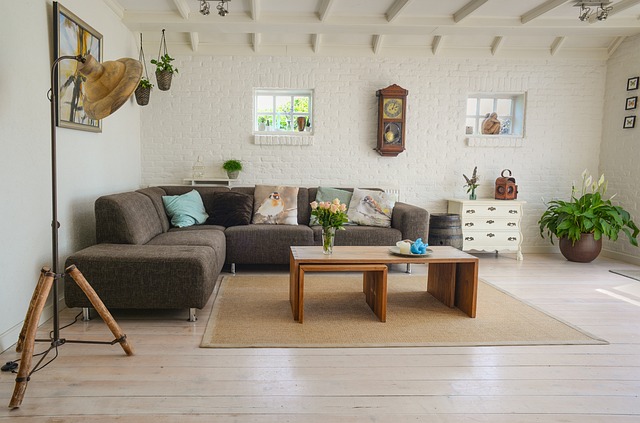
In the realm of contemporary interior design, where intentionality, open areas, and clean lines are paramount, the basis of an exquisite space frequently rests—literally—at your feet. Choosing the ideal area rug is a strategic choice that defines zones, anchors your space, and establishes the overall tonal mood. It’s not just a finishing touch. And nothing compares to the elegant versatility of a neutral palette when it comes to developing that sought-after modern aesthetic. But where do you start when there are so many options for beige, grey, and cream? Don’t be afraid. The top 5 neutral rug colours for a contemporary living room that offer elegance, tranquilly, and classic appeal are broken down here.

Why Neutrals Are Essential in Today’s World

Prior to delving into our carefully selected list, let’s discuss the “why.” Simplicity, practicality, and tranquilly are promoted by modern design principles. Here, neutral rugs shine because they offer a calm surface that doesn’t overpower your architecture, eye-catching furniture, or treasured artwork. They provide unmatched flexibility, beautifully reflect light, and visually enlarge a space. In a few years, do you want to introduce a bold new sofa or change up your accent pillows? Your neutral rug will move with you with ease. It’s a long-term fashion investment.

The Essential Five: Your Guide to Modern Living Room Neutral Rug Colours

First. The Organic Anchor: Warm Putty Beige

The sterile, yellow-toned beiges of the past are over. Warm putty beige, a soft, greyish, earthy colour that feels both natural and sophisticated, is the current champion. This colour is a chameleon; it feels light and airy in areas with lots of sunlight, but it instantly warms rooms with cool concrete or steel elements.

  • Why It Works for Modern Spaces: Without making the space darker, it establishes a warm, grounded base. It looks great with natural materials like stone, rattan, linen upholstery, and oak flooring.
  • Best combinations: The best combinations combine different textures, such as matte ceramic accessories, a smooth leather chair, and a chunky knit throw. Against this background, accent colours like muted blue, terracotta, or olive green shine.
  • Pro Tip: To add dimension and conceal common dust while maintaining a clean, contemporary appearance, choose a rug with a subtle texture (such as a chunky weave or low-pile loop).

Two. Charcoal Grey: The Elegant Declaration

A sleek charcoal grey rug is probably what comes to mind when you think of a contemporary, urban loft. Of the top 5 neutral rug colours for a contemporary living room, this one is the most striking and definitive. It is very grounding, powerful, and sophisticated.

    • Why It Works for Modern Spaces: Charcoal makes minimalist furniture stand out against light-colored floors like polished concrete or white oak. It adds a layer of rich, monochromatic depth and establishes a seating area with authority.
    • Best Pairings: For a monochromatic scheme, this is your first choice. For a strong, unified style, combine it with grey, white, and black hues. For a hint of luxury, add metallic accents like nickel or brushed brass. Additionally, it makes the ideal background for colourful, artistic accents like framed abstract art or a lone mustard yellow armchair.
    • Pro Tip: Balance the depth of a charcoal rug with ample ambient and overhead lighting to prevent the space from feeling too cavernous.

Third. Muesli: The Airy and Light Expansion

Muesli has a soft, warm, slightly creamy undertone that falls just between beige and grey. It’s the colour of natural, unbleached wool, and it’s probably the best colour to instantly make a room feel bigger, brighter, and more welcoming.

  • Why It Works for Modern Spaces: Muesli is the best option for smaller living rooms or open-plan spaces where you want to encourage a feeling of flow and light. It creates a soft, cloud-like foundation that is both comfortable and modern, and it reflects light beautifully.
  • Best Pairings: Earthy, subdued tones go well with this colour. Consider a pale oak coffee table, a sage green sofa, and jute accents. Use black metal frames or dark walnut furniture for a more dramatic contrast.
  • Pro Tip: Make sure there is lots of textural contrast to prevent a room from appearing overly washed out. The look will remain dynamic with a variety of natural materials, a sleek marble side table, and a nubby bouclé sofa.

Four. Greige: The Ultimate Compromise

Unable to choose between beige and grey? Presenting Greige, the neutral world’s hybrid hero. Perhaps the most adaptable colour on our list of the top 5 neutral rug colours for a modern living room, this clever hue combines the cool, modern sensibility of grey with the cosy, welcoming essence of beige.

  • Why It Works for Contemporary Spaces: In a room with conflicting undertones, greige is the ultimate calming agent. It smoothly connects cool grey walls with warm wood floors. It feels naturally balanced and up to date, and it’s stylish and versatile.Everything is the best pairing. It works well with bright colours and subdued tones, as well as warm brass and cool chrome. The popular “warm modern” or “transitional modern” style goes well with it.
  • Everything is the best pairing. It works well with bright colours and subdued tones, as well as warm brass and cool chrome. The popular “warm modern” or “transitional modern” style goes well with it.
  • Pro Tip: To improve the harmony, consider whether the rug is more cool (grey) or warmer (beige) when choosing one. Then, match your other elements appropriately.

5. Off-White & Natural Cream: The Bold Minimalist’s Choice

A simple off-white or natural cream rug is the epitome of contemporary minimalism for the purist. This is a softer, frequently slightly uneven tone found in undyed wools, jutes, and cottons rather than a stark, bright white.

  • Why It Works for Contemporary Spaces: It produces a remarkable feeling of light, space, and purity. It serves as a blank canvas, drawing attention to the shape of your furniture, the architecture of the space, and carefully chosen items. It has a clean, calm, and purposefully sparse feel.
  • Best Pairings: This style works best with a limited selection of materials, such as raw concrete, light wood, blackened steel, and perhaps one eye-catching piece of art. Keep your accessories simple and purposeful.
  • Pro Tip: Here, dedication to upkeep is crucial. Select a natural fibre that is easily cleaned or a performance fabric. A natural cream rug’s inherent slight variations are your friend because they elegantly conceal small wear.

Watch the video “How to Choose a Rug Like a Designer” by the well-known YouTube channel Lone Fox for an amazing visual guide that makes these colour concepts come to life. Our focus on the top 5 neutral rug colours for a contemporary living room is perfectly complemented by designer Drew Scott’s skilful explanation of rug sizing, placement, and colour selection. You can watch it here: https://www.youtube.com/watch?v=HFD1Wv7c6uQ

Conclusion: Establishing the Basis for Contemporary Life

Selecting a rug is about more than just colour; it’s about creating the fundamental atmosphere for your most inhabited area. A balanced, fashionable, and modern home can be achieved in a different way with each of these top 5 neutral rug colours for a modern living room. You’re investing in a piece that offers both aesthetic harmony and long-lasting flexibility, whether you’re drawn to the organic warmth of Putty Beige, the elegant drama of Charcoal, the airy lightness of Muesli, the adaptable magic of Greige or the minimalist purity of Off-White. Examine your area, take into account the light, and allow your rug to serve as the calm, self-assured focal point that unifies your contemporary living room.

FAQs: Answers to Your Questions About Neutral Rugs

Q1: Don’t neutral rugs seem dull? Not at all! Neutrals set the scene so that your furnishings, artwork, and individuality can be the stars. Layering textures, shapes, and a few well-placed pops of colour or pattern elsewhere in the space add interest.

Q2: How can I decide between neutral rug tones that are cool and warm? Examine your room’s fixed components. Do you have brass light fixtures and warm oak floors? Oatmeal or warm putty might work best. Do you have chrome finishes and cool grey laminate flooring? A cool-leaning greige or charcoal might be ideal.

Q3: How big should the rug in my contemporary living room be? The golden rule is that all important furniture legs should either be completely on the rug or, in a smaller area, the front legs of all seating pieces should be on it for a contemporary, roomy look. A tiny “postage stamp” rug floating in the centre of the space should be avoided.

Q4: Are these neutral colours suitable for layering rugs? Indeed! Layering is an excellent contemporary tactic. For added texture and cosiness, try laying a smaller, plush neutral rug (such as an oatmeal shearling) on top of a larger, solid neutral jute or sisal rug in a seating area.

Q5: What kind of material works best for a contemporary neutral rug? When it comes to feel and durability, wool is amazing. Think about using sisal or jute for a more organic, textured appearance. Look to performance materials like polypropylene, which offer gorgeous, cleanable neutrals, for homes with pets or high-traffic areas.

Meta Description: Elevate your space with our guide to the top 5 neutral rug colors for a modern living room. Discover how Putty Beige, Charcoal, Oatmeal, Greige, and Off-White can create a timeless, sophisticated foundation. Includes styling tips and expert video advice.


Sparkling Celebrations: 10 Fun Birthday Party Ideas for Kids with a Little Chandelier Touch

Introduction

To be honest, organising a children’s birthday party can be like trying to control a tornado of glitter, sugar, and endless energy. Every parent wants to plan a fantastic, unforgettable day, but there is a lot of pressure to surpass the party from the previous year or the newest trend on Pinterest. What if the sparkle hanging above everything else, rather than just the activities or cake, was the key to a memorable celebration? The little chandelier is the unsung hero of party décor.

A small chandelier, typically found in dining rooms and master suites, can turn an ordinary playroom or backyard tent into a magical party palace. It’s the sparkling focal point that murmurs, “This is no ordinary party.” Today, we’re combining classic style with wild fun to present you with ten kid-friendly birthday party ideas that will make your child and their guests talk about it for years to come.

First. The Gala of the Enchanted Forest

Transform your area into a mysterious forest. Hang fairy lights and greenery from a tiny chandelier decorated with crystals. Hang tiny fairy figurines, moss, and handmade paper butterflies from its arms. Organise a “build-your-own-fairy-house” craft station and a scavenger hunt for “magic gems” (coloured rocks) under the sparkling light of your forest chandelier for the kids’ entertaining birthday party activities. It’s a fanciful paradise where magic seems genuine.

Two. A glamorous debut in Hollywood

Lay out the red carpet! Drape a tiny, contemporary black or gold chandelier with gold stars and movie reel decorations. Make it the main attraction in your “photo op” area. The entertaining birthday party for the kids? Give them the lead role in a short film! Kids can make a short film with a smartphone and basic props. For inspiration, check out the famous YouTube video “Kids Try 100 Years of Birthday Parties” by the Fine Brothers. It’s a hilarious look at celebration trends and might just give you some retro ideas!

Third. Odyssey Under the Sea

Explore your creativity in depth. Use LED tea lights, blue and green cellophane, and flowing ribbons to turn a small chandelier into a gorgeous jellyfish. What shimmering Light will simulate sunlight passing through water. Set up a “decorate your own seashell” station, run a bubble machine, and play “Pin the Tail on the Mermaid” for your oceanic kids’ enjoyable birthday celebration. The chandelier turns into the ocean’s glowing centre.

Four. Dig for Dinosaur DiscoveryDig for Dinosaur Discovery

Make a prehistoric jungle for the aspiring palaeontologist.Make a prehistoric jungle for the aspiring palaeontologist. Use plastic vines and leaves to disguise a small, rustic, wrought-iron chandelier.Use plastic vines and leaves to disguise a small, rustic, wrought-iron chandelier. Hang cuddly little pterodactyls from it!Hang cuddly little pterodactyls from it! The primary event?The primary event? A “dinosaur dig” in a sensory bin or sandbox with buried “fossils” and moving sand.A “dinosaur dig” in a sensory bin or sandbox with buried “fossils” and moving sand. Kids can find bones and put their dinosaurs together under the vigilant “eye” of the jungle chandelier.Kids can find bones and put their dinosaurs together under the vigilant “eye” of the jungle chandelier.

Fifth. A Cosmic Space JourneyA Cosmic Space Journey

Take off for the stars!Take off for the stars! A basic little chandelier can be painted black and covered with glow-in-the-dark planets and stars.A basic little chandelier can be painted black and covered with glow-in-the-dark planets and stars. Hang model rockets and “asteroids” wrapped in foil.Hang model rockets and “asteroids” wrapped in foil. Activities like “alien slime making,” a black-light constellation craft, and a “moon rock toss” (using bean bags) will be popular at this entertaining birthday party for interstellar children.Activities like “alien slime making,” a black-light constellation craft, and a “moon rock toss” (using bean bags) will be popular at this entertaining birthday party for interstellar children. Setting the mood for an extraordinary journey, the chandelier becomes your central galaxy.Setting the mood for an extraordinary journey, the chandelier becomes your central galaxy.

Sixth. The Princess and Knight BallThe Princess and Knight Ball

A timeless theme enhanced with glitter.A timeless theme enhanced with glitter. Make a tiny, delicate chandelier with crystals the focal point of your castle ballroom.Make a tiny, delicate chandelier with crystals the focal point of your castle ballroom. Hang silk and tulle ribbons from the frame.Hang silk and tulle ribbons from the frame. Organise a “royal training” session that includes exercises like “Decorate Your Crown or Shield” and “Dragon’s Egg Roll” (a balloon race).Organise a “royal training” session that includes activities such as “Dragon’s Egg Roll” (a balloon race) and “Decorate Your Crown or Shield.” The chandelier adds the necessary royal elegance to the joyful chaos of your child’s thrilling birthday celebration.

Seven. Academy of Superhero Training

A headquarters is necessary for every hero. Make a small, sleek, industrial-style chandelier your “proto-core energy source.” Put comic book word bubbles (“POW! BANG!)”) or wrap it in red and blue cellophane. Create an obstacle course, a “design your own cape” station, and a game of “Villain Dodgeball” for the kids’ entertaining birthday party training. The chandelier is the powerful light at the center of your hero base.

8. Whimsical Tea Party

Think Alice in Wonderland. Choose a small, colorful or pastel chandelier and hang playing cards, tiny teacups, and faux flowers from it. This sets a perfect, slightly topsy-turvy scene. The party itself is a delightful, genteel riot: a real tea (juice) party with mini sandwiches, a “Paint the Roses Red” activity, and a silly Mad Hatter’s hat parade. The chandelier is the charmingly odd centerpiece.

Nine. Fantastic Art Studio Event

Let your inner Picasso loose! Use paintbrushes, colourful paint chips, and strings of beads that resemble dripping paint to adorn a simple little chandelier. This is the centre of your creativity. A collaborative mural, an outdoor splatter art station, and easels for painting canvases make the entire kid-friendly birthday celebration a work of art. From above, the chandelier stimulates creativity.

Ten. Extravagant Carnival Circus

Take a step forward! Use tiny plush elephants or lions, tiny pennant flags, and striped ribbons to decorate a small chandelier. It is the centrepiece of the large top. Use a “clown nose relay,” popcorn and cotton candy stations, a face painter, and a homemade ring toss to make the funfair come to life. The festive chandelier unites the lively, boisterous, happy children’s birthday celebration under one glittering “tent.”

In conclusion

A birthday celebration is about creating a world where your child’s imagination can run wild, not just about games and cake. A tiny chandelier is the unanticipated magic wand that can elevate your decor, unify your theme, and add a “wow” factor that will make people gasp. It demonstrates that grace and wild fun can coexist and even produce pure magic. Look up for your upcoming birthday planning session. Let these ten ideas for a fun birthday party for kids motivate you to add a little sparkle to the centre of it all and see how a typical day becomes a memorable one.

FAQs

Q: For a children’s party, aren’t tiny chandeliers too delicate or risky? A: Put safety first! Make sure the chandelier is securely positioned and out of reach, such as above a tall table or in the centre of the space. Instead of using real candles, use LED ones. Fairy lights or battery-operated votives. For DIY decorations, ensure everything is lightweight and securely attached.

Q: I have a limited budget. Can I still apply this concept? A: Definitely! Affordable small chandeliers can be found in abundance at thrift stores, discount home stores, and online marketplaces. A base can also be made at home using an embroidery hoop or wire basket. Use cheap ornaments, streamers, and paper to decorate. The creativity, not the price, is what makes a difference.

Q: How can I pick the ideal chandelier for my theme? A: Consider the fundamental style. For superhero, dinosaur, or rustic themes, a wrought-iron frame is ideal. A glass or crystal one goes well with themes of Hollywood, enchanted forests, or princesses. A simple, contemporary one is a blank canvas for themes of art, space, or the ocean; hanging decorations can totally change it.

Q: Are these suggestions suitable for an outdoor gathering? A: Indeed! To hang a weatherproof or homemade chandelier, use a tree branch or a strong garden shepherd’s hook. A charming outdoor focal point for your child’s enjoyable birthday celebration can be created by filling a small chandelier with solar-powered string lights.

Q: Where can I see some of these ideas in action?
A: For visual inspiration on party themes and kid reactions, the famous YouTube video “Kids Try 100 Years of Birthday Parties” is a fantastic watch. It emphasises how décor and theme add to the fun while concentrating on the whole experience!

Meta Description: Find 10 magical birthday party ideas for kids! Discover how a tiny chandelier can enhance your theme, decor, and produce treasured memories—from space travel to enchanted forests. contains links to motivational videos, money-saving tips, and safety advice.


Large Effect in Compact Areas: The Complete Solution to Selecting a Compact Chandelier for a Kitchen Dining Table


Introduction: The Reasons Your Small Dining Area Is Worth a Star

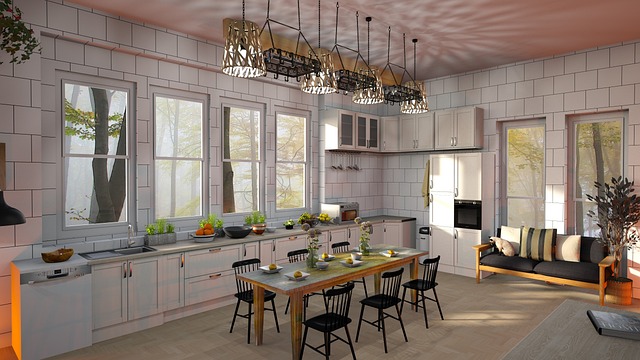
We all don’t have the opulent, expansive dining rooms of our Pinterest fantasies, let’s be honest. Many of us settle for a small breakfast area, a kitchen island that can be used for dinner, or a comfortable nook. But here’s a design fact that can make all the difference: you don’t have to sacrifice style or drama in order to fit into a small space. In fact, it’s the ideal chance to use a single, striking focal point to make a bold statement. The tiny chandelier for the kitchen dining table is the hero of small-space dining.

It’s not enough to settle for a basic pendant light. Simple fixtures cannot match the layers, texture, and individuality that a small chandelier adds to your kitchen dining table. It instantly transforms the centre of your house from “just a kitchen” into a chic gathering place, defines the dining area, and adds ambient lighting for private meals. Selecting the ideal small chandelier is the secret weapon you didn’t realise you needed, whether you live in a contemporary apartment, a quaint cottage or a suburban house with a breakfast nook.

For a fantastic visual guide on the transformative power of lighting in small kitchens, check out this popular YouTube video from interior design expert Nick Lewis: “How to Light Your Home (Avoid These Common Mistakes!)”. He does a fantastic job of explaining the importance of scale and placement when choosing a small chandelier for a kitchen dining table.

Section 1: The Power of Scale: The Secret Weapon of “Small”

Selecting an excessively large light fixture is the most common error made in small dining spaces. An oversized chandelier throws off the room’s visual balance and can feel oppressive, as if it were crashing down on your table. Perfect proportion is what makes a small chandelier for a kitchen dining table so beautiful. Without overpowering the area, it gives the desired designer appearance—elegant, deliberate, and carefully chosen.

The Proportion Golden Rules:

  • Diameter: Generally speaking, the diameter of your chandelier should be between half and two thirds the width of your tabletop. Aim for a chandelier that is 18 to 24 inches wide for a table that is typically 36 inches wide.
  • Height: Take into account the height of the ceiling. The bottom of your small chandelier should hang between thirty and thirty-four inches above the table surface in an 8-foot ceiling. Without obstructing sightlines across the table, this guarantees a cosy glow.
  • Visual Weight: Even a “small” chandelier can have an impact. Look for designs that complement a narrow table without taking up visual space from above, such as those with open frames, lighter materials like blown glass or woven rattan, or linear shapes.

A harmonious anchor can be created for your kitchen dining table by selecting a small chandelier that is appropriately scaled. It highlights the space, draws the eye, and gives the impression that the ceiling is higher rather than lower.

Part 2: Shining Styles: Discovering Your Aesthetic Match

Although the word “chandelier” may evoke visions of enormous crystal structures, modern designs are remarkably varied. The appropriate style can convey your individual taste and blend in with the design of your kitchen. The most common designs for a tiny chandelier for a kitchen dining table are as follows:

First. The Contemporary Minimalist

This style is characterised by geometric shapes, clean lines, and frequently combined materials (such as clear glass and black metal). Consider a single sculptural orb or a small linear chandelier with two or three lights. This design is ideal for modern apartments, lofts, or kitchens with sleek cabinets. It offers light without any visual distractions.

Two. The Farmhouse & Rustic

Here, texture and warmth are crucial. Look for a small chandelier with candle-style bulb covers, distressed wood, or wrought iron. A simple iron ring with Edison bulbs or a tiny waggon wheel chandelier can greatly enhance the charm of a farmhouse kitchen table without taking over.

Third. The Glamorous and Crystal

It is possible to have sparkle in a tiny area! A tiny crystal chandelier adds a touch of luxury and beautifully reflects light. It could have a drum shade or a small multi-arm design. It  creates a beautiful juxtaposition in a simple, modern space or complements traditional decor perfectly.

Four. The Edge of Industry

This style is characterised by exposed bulbs, pipes, and cages. For loft-style kitchens or areas with concrete countertops and stainless steel appliances, a small industrial chandelier—typically finished in brass or black—is perfect. It’s the epitome of utilitarian style.

Fifth. The Natural & Organic

Chandeliers made of woven rattan, bamboo, woven fibres, or capiz shells create a laid-back, bohemian, or beachy atmosphere. These materials add soft texture and create lovely, dappled light patterns that create a calm and welcoming atmosphere in a kitchen-dining area.

Section 3: The Useful Guide: Purchasing and Installing a Chandelier

Choosing the ideal look is only half the fight. Let’s get specific about how to make it function in your house.

A. Bulbs and Light Output:

You can use your small kitchen dining table chandelier as a source of ambient and task light. For ambience, you want to be able to turn down the light while maintaining enough light to see your food.

  • Lumens: A dining table should have between 3,000 and 6,000 lumens overall, distributed among several bulbs. A three-light fixture with eight hundred-lumen bulbs finds its sweet spot.
  • Bulb Type: Warm white (2700K–3000K) bulbs are nearly always ideal for dining because they complement skin and food. LED bulbs are cool and energy-efficient. If you want complete control over colour and dimming from your phone, think about smart bulbs.

B. The All-Important Installation:

  1. Standard Height: For 8-foot ceilings, the distance between the tabletop and the bottom of the chandelier is 30 to 34 inches.High Ceilings: For every foot that the ceiling height increases, add three inches.Over an Island: The same guidelines apply if your kitchen table is an island, but make sure it is centred in terms of both width and length.
  2. High Ceilings: Add 3 inches for every additional foot of ceiling height.
  3. Over an Island: If your kitchen table is an island, the same rules apply, but ensure it’s centered both width-wise and length-wise.

The C. Wiring and Assistance:

Replacing an existing fixture is frequently a simple swap. Hiring a qualified electrician is essential if you’re installing a new light where one didn’t already exist. They will install a rated electrical box that can sustain the weight of your small chandelier, make sure the wiring is correct, and connect a dimmer switch—a crucial improvement for any dining light.

Section 4: Five Magnificent Real-World Examples

Let’s see how these ideas work together.

  1. The Apartment Breakfast Nook: It features a 42-inch-wide bistro table above a 24-inch-wide linear chandelier with three matte black hues. It is contemporary, compact, and precisely focusses light onto the small area.
  2. The Farmhouse Kitchen Corner: A rustic wooden table is 32 inches above a small wrought iron chandelier with four lights and fake candle bulbs. It’s the centre of a comfortable coffee shop in the morning.
  3. The Modern Condo Island: A narrow kitchen island used for dining was adorned with a pair of identical small, single-globe crystal chandeliers. Rhythm and plenty of light are produced by the repetition.
  4. The Eclectic Studio: Over a small drop-leaf table, a colourful, tiny beaded chandelier defines the dining area in an open-plan living space and adds a pop of art and personality.
  5. The Traditional Cottage: A small circular table is illuminated by a tiny drum chandelier with a linen shade and a straightforward brass frame, demonstrating that traditional design can still be precisely proportioned.

In conclusion, illuminating your path to a more exquisite home

No matter how big or small, your dining area is where people connect, share stories, and enjoy meals. You are purposefully creating the ambiance for those moments by selecting a small chandelier for the kitchen dining table. You are choosing a work of functional art that improves your day-to-day existence.

Recall that the objective is to improve the space rather than fill it. A carefully selected, precisely sized small chandelier serves as the room’s jewellery and completes the ensemble. It demonstrates that the loudest and most elegant statement in design is frequently achieved through precision and restraint. Measure your table, think about your style, and don’t be scared to add a little (perfectly sized) drama to your kitchen dining experience.

FAQs: Answers to Your Questions About Small Chandeliers

Q1: Is it possible to install a tiny chandelier in a kitchen with low ceilings? Of course! In actuality, a small chandelier really shines when the ceiling is eight feet or lower. Choose a very shallow hanging piece or a flush-mount or semi-flush mount “chandelier” style fixture. Making sure there is still roughly 30 inches of space between you and the tabletop is crucial.

Q2: What is the ideal number of lights for a small chandelier? Two to four lights are perfect for a small table that can accommodate four to six people. It offers just the right amount of light without being overpowering. Three to five lights may be arranged in a narrow formation in a linear chandelier.

Q3: What happens if the light isn’t in the centre of my table? This is a typical problem in older homes. The most permanent solution is to hire an electrician to move the junction box. Alternatively, you can choose a small chandelier that hangs from a cord or chain and use a swag hook to visually centre it over the table without having to rewire.

Q4: Is it too formal to have a tiny chandelier over a kitchen table? Not a bit! The style determines the formality. A rustic wood-bead chandelier is comfortable and informal. An uncomplicated iron ring with Edison bulbs is both relaxed and industrial. The chandelier form does not always refer to crystal and gilt; it simply refers to several arms or lights.

Q5: Is it possible to combine my kitchen hardware and chandelier style? Yes, but consider “complement” rather than “match.” Your finishes should complement one another rather than match exactly. A chandelier made of brushed brass, black, or aged nickel can appear deliberate and layered if your hardware is brushed nickel. Instead of a perfectly matched set, the aim is a cohesive feel.

Meta Description: Enhance your comfortable dining area! You can choose and style the ideal small chandelier for your kitchen dining table with our comprehensive guide. See gorgeous examples and get professional advice on scale, style, and installation. Makeover your small area right now.


Birthday Party Decoration Ideas at Home DIY: Your Secret to a Fabulous, Budget-Friendly Bash

Introduction

To be honest, looking through flawless party photos on Pinterest can be both inspiring and completely daunting. It may seem intimidating to plan a beautiful celebration at home, especially since expert decorators can be quite expensive. What if we told you that the most memorable, intimate, and spectacular parties are more about the creativity you unleash than the amount of money you spend? Welcome to the amazing world of do-it-yourself birthday party decoration ideas.

It’s intimate, cosy, and surprisingly adaptable to host a party at home. You can create a festive wonderland in your living room, garden, or even a comfortable nook with a little creativity and some ingenious do-it-yourself magic. This guide is your one-stop shop for original, doable, and incredibly charming DIY birthday party decoration ideas that will leave your guests wondering if you hired a pro!

Why Choose Do-It-Yourself Decor?

Let’s discuss the why before getting into the how-to. There’s more to DIY decorations than just cost savings. They give each detail a unique personality. A personalised centrepiece sparks conversation, while a handcrafted backdrop tells a tale. The goal is to create an experience that feels personalised and well-curated rather than generic and store-bought. Additionally, it can be a really enjoyable pre-party activity—involve the family and create excitement together!

The Basis: Selecting a Theme That Makes You Happy

The key to creating coordinated and gorgeous birthday party décor ideas at home DIY is a powerful, straightforward theme. It doesn’t have to be difficult! A theme provides you with a direction and a colour scheme.

  • For children, consider “Enchanted Forest,” “Outer Space Adventure,” “Rainbow Carnival,” or a beloved character from a film.
  • “Neon Glow,” “Bohemian Dream,” “Tropical Vibes,” or a “Music Festival” theme are suitable for teenagers.
  • For adults: “Rustic Chic,” “1920s Speakeasy,” “Elegant Garden Tea,” or a “Signature Colour” party (all blush pink, all gold, etc.).

The real fun starts once your theme is decided.

Room-by-Room Inspiration for DIY Decoration Masterpieces

1. The Grand Entrance and Photo Op Area

First impressions matter! Set the tone right at the door.

  • DIY Balloon Arch: This is the superstar of birthday party decoration ideas at home DIY. You don’t need a fancy kit. Use a strip of plastic linking balloons (available cheaply online) or create a simple wall arch using balloon glue dots. Mix sizes and textures—add in some marbleized or confetti-filled balloons for depth. For a fantastic visual tutorial, check out the YouTube video “DIY Balloon Garland for Beginners – No Special Tape Needed!” by “Décor Life With Lisa”. Lisa breaks down the process into simple, foolproof steps.
  • Personalised Welcome Sign: Use a stylish mirror, an old window pane, or a big piece of cardboard. Use chalkboard paint and write a welcome message on it, or use Canva to create a design, print it at a nearby store, and frame it.

2. The Magic of the Wall and Ceiling

Don’t neglect your vertical space—it’s prime real estate for decor!

  • Crepe Paper Streamer Backdrop: This is inexpensive, simple, and very powerful. Layer pink, orange and yellow strips of crepe paper to create a sunset ombre effect. To create a lush, textured wall for a fringe backdrop, fold long sheets of tissue paper, cut the ends into triangles or fringes, and then unfold them.
  • Hanging Installations: Use clear fishing line to suspend a whimsical ‘cloud’ made of polyester stuffing from the ceiling. Hang origami shapes, paper pom-poms, or even themed objects like paper flowers for a garden party or cardboard stars for a space party.

3. The Table: The Festivity’s Centre

Particular attention should be paid to the food, cake, and conversation focal points.

  • Centrepiece Wonders: Do away with pricey floral arrangements. Organise a collection of candles on a bed of eucalyptus or citrus slices, fill clear vases with layered candies in your party colours, or use themed toys (such as dinosaurs for a jungle party).
  • Butcher paper: Its your best friend when making a homemade table runner! Allow guests to doodle on it after rolling it out across the table and taping it firmly! Additionally, you can write messages or stencil patterns along it. It is interactive, decorative, and useful.
  • Repurposed Drink Stations: Put adorable signs on drink dispensers. Wrap uniform bottles in themed paper or use mismatched glass bottles for a rustic vibe. A straightforward “Bar” sign composed of painted wood gives it a polished appearance.

4. The Small Things That Have a Big Impact: your party will go from being pleasant to “wow” thanks to the thoughtful touches.

It’s the thoughtful touches that elevate your party from nice to “wow.”

  • Personalised Cutlery & Glassware: Use twine and a sprig of herbs to tie cutlery bundles. Mark cups with decorative washi tape or write guests’ names on plain glassware with a paint pen.
  • Lighting Ambiance: When it comes to atmosphere, fairy lights are a must. Drape them all over! To create enchanted glowing centrepieces for evening parties, fill mason jars with battery-operated fairy lights.
  • Themed Food Labels: You can label dishes with small chalkboard slates, painted stones, or even cleverly folded cardstock. A layer of fun can be added by giving foods clever names that relate to your theme (“Galaxy Chips,” “Forest Berry Punch”).

Expert Advice for Easy Do-It-Yourself Decorating

  1. Start Early: Don’t put everything off until the previous evening. Over the course of a week or two, decorate.
  2. Repurpose & Shop Your Home: Take a new look at what you already own. Vases and jars can be painted, and coloured sheets make excellent tablecloths.
  3. Accept Imperfection: The allure of do-it-yourself projects lies in their individuality. A machine-made pom-pom lacks the personality of a slightly wonky one!
  4. Prepare a Decorating Kit: Stock up on command hooks, scissors, clear fishing line, double-sided tape and a decent glue gun. They are the unsung heroes of do-it-yourself décor.

Final Thoughts: Your Masterpiece, Your Party

The real magic of using these ideas for birthday party décor at home DIY is more than just saving money; it’s also about feeling proud of your loved ones when they enjoy a space you made yourself. It’s in the chuckles that reverberate beneath a balloon arch you put together and the compliments on details that are unique to you. A party that is decorated by hand is a gift in and of itself, full of love and personal effort.

So get your hands dirty, hit the play button on that tutorial, and let your imagination run wild. One handcrafted decoration at a time, your remarkable, Instagram-worthy, and joyful home celebration is ready to be constructed.

FAQs: DIY Birthday Party Decoration Ideas for Your Home, Answered

Q1: I’m not at all crafty. Are there any really simple do-it-yourself decorations? A: Definitely! Start with the easy things. A cluster of balloons tied with ribbon in three or four different colours looks amazing. No crafting is needed to create a “photo wall” using hanging string and adorable clips. arranging. Filling clear bowls with monochromatic snacks (e.g., all green grapes, lime chips, green candies) is a zero-skill, high-impact decor trick.

Q2: How can I do DIY decorations on a super tight budget?
A: Focus on one or two statement pieces (like a backdrop) and keep the rest minimal. Use nature—branches, leaves, and flowers are free and beautiful. Shop at dollar stores for basics like streamers, tablecloths, and candles. The key is cohesion, not quantity.

Q3: When should I start making my own decorations? A: Three to four weeks in advance, begin organising and assembling supplies. One to two weeks in advance, start building non-perishable items (paper flowers, signs, etc.). Fresh flower arrangements and balloon arches should wait until the day before or the morning of the celebration.

Q4: How can I make my do-it-yourself party appear elegant rather than juvenile? A: The choice of material is crucial. Use natural textures (wood, linen, dried grasses), metallics (gold, copper), and a simple, tasteful colour scheme for an adult party. Steer clear of plastic with primary colours. Use traditional glassware and tissue paper rather than glossy crepe paper.

Q5: Where can I find more visual inspiration and tutorials?
A: YouTube is a treasure trove! Beyond the video mentioned earlier, search for your specific theme + “DIY party decor.” Channels like “Jenna Phipps,” “Do It Yourself Danielle,” and “Ginger Ray” offer endless, easy-to-follow ideas for all skill levels.

Meta Description: Use our comprehensive guide to DIY birthday party decoration ideas to unleash your creativity! Find inexpensive, detailed ideas for themes, backdrops, tablescapes, and more. contains links to tutorials and expert advice for a beautiful homemade celebration.


Beyond Plates and Bowls: The Art of Kitchen Crockery

Introduction

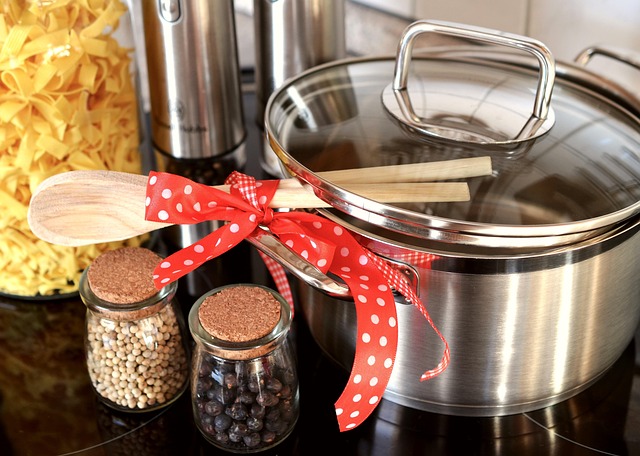
Let’s face it: when we envision kitchen renovations, we frequently imagine opulent islands or shiny new appliances. However, kitchen utensils are a simple, fundamental component that genuinely sets the tone for every meal, every gathering, and every peaceful morning coffee. This assortment of dishes, bowls, and mugs is frequently disregarded but serves as both the expressive artist and the silent workhorse of our home lives. Choosing the right kitchenware isn’t just about practicality; it’s also about creating memorable events, such as a lavish dinner party or a hurried breakfast.

The term “crockery,” which is sometimes spelt “crockary” or “crocery,” describes the plates, dishes, cups and saucers that are made of porcelain or fired clay. However, kitchen crockery has developed into a broad category in the modern home that includes everything from sleek bone china to rustic earthenware, sturdy stoneware, and fashionable tempered glass. Your decision reveals a lot about your personal style, hosting philosophy, and even daily routines.

The Significance of Your Kitchen Crockery Selection

Consider your kitchen utensils as the medium on which you showcase your culinary creations. A well-plated meal on a carefully selected dish enhances flavour perception and transforms eating into a multisensory experience. The proper cutlery is useful beyond aesthetics. It must feel good in the hand, be safe for microwaves and dishwashers, and endure the clatter of regular use. There’s a big psychological effect. A sturdy, well-made mug can turn your morning coffee into a sacred ritual. Generous portions and a sense of Italian hospitality are encouraged by a large, shallow bowl of pasta. Your assortment of kitchen utensils reflects your dining table personality in many ways.

An Overview of Supplies: The Fundamental Components of Kitchenware

Understanding materials is the first step in navigating the world of kitchenware. Each has a unique personality, benefits, and maintenance guidelines.

  1. Bone China: The aristocrat of kitchenware is bone china, renowned for its unexpected strength, chip resistance, and delicate, translucent appearance. It’s elegant, lightweight, and ideal for formal settings. Wedgwood and Royal Doulton are well-known for their collections of bone china.
  2. Porcelain / Fine China: Similar to bone china but made without bone ash. It’s vitrified, non-porous, and often has a bright white finish, making it an excellent backdrop for food. It’s durable and a fantastic all-rounder for both everyday and special events.
  3. Stoneware: The dependable option for contemporary homes. It is fired at high temperatures and is less porous, dense, and long-lasting than earthenware. It is perfect for daily use, usually heavier, and frequently available in stunning matte glazes or natural tones. It skilfully bridges the gap between formal and informal.
  4. Earthenware:The most conventional type of kitchenware is earthenware. Because of its porosity, it is typically glazed. Compared to stoneware or china, it is typically thicker and more prone to chipping, but it has a wonderfully earthy, rustic charm. Pots made of terracotta are a traditional example.
  5. Melamine and Tempered Glass: The proponents of outdoor and family-friendly dining are melamine and tempered glass. Melamine is ideal for patios and small children because it is almost indestructible. Tempered glass, such as that made by Duralex, has a sleek, contemporary appearance and is remarkably durable for a glass product.

Curating Your Collection: A Layer-Cake Approach

Building a versatile kitchen crockery collection is like creating a wardrobe – you need reliable basics and a few statement pieces.

  • The Everyday Base Layer (The Workhorses): This is your core set of dinner plates, Dinner plates, side plates, cereal bowls, and mugs make up the Everyday Base Layer, also known as the Workhorses. Choose a sturdy material like stoneware or porcelain with a neutral colour scheme (white, grey, or cream). You’re always prepared with a set of 6–8. Everyday lines from companies like Emma Bridgewater and Denby are very fashionable and long-lasting.an add personality to the entertaining layer, also known as the showstoppers. Consider serving platters, dessert plates, soup bowls, and pasta bowls. Here, don’t be scared to experiment with different colours and textures. An entire tablescape can be enhanced with a set of hand-painted salad plates.
  • The Specialised Layer (The Functional Stars) includes large salad bowls, tea pots, coffee carafes, dipping bowls for sauces, and ramekins for souffés. With your cooking habits, this layer develops naturally.

The YouTube channel “Living Big In A Tiny House” frequently showcases homeowners with deftly chosen kitchenware for creative visual inspiration on combining these layers. One particularly noteworthy video, “Beautiful & Functional Tiny Home Kitchen Design Ideas,” effectively illustrates how well-chosen kitchenware can be both highly expressive and storage-efficient even in a small space. Observe how each piece has a role and a location.

Using Kitchen Crockery to Style: From Shelf to Table

Your dishes shouldn’t be hidden in cabinets. Glass-fronted cabinets and open shelving are popular because they allow your collection to blend in with the design of your kitchen.

    • The Art of Stacking: Arrange items according to style or colour. To add visual interest, switch between bowls and plate stacks.
    • Table Setting 101: Remember the rule: charger (optional), dinner plate, side plate top left, bowl on the plate. Your kitchen crockery forms the foundation. Add cutlery, glassware, and a napkin to complete the look.
    • Mix, Don’t Match Perfectly: The “collected over time” look is hugely popular. Pair different but complementary plate patterns from the same colour family, or use a uniform base plate with wildly different salad plates on top. It’s conversational and personal.

Taking Care of and Extending the Life of Your Cutlery

Even the finest kitchenware requires maintenance.

    • Verify Dishwasher Safety: The majority of contemporary dishes can be washed in the dishwasher, but delicate hand-painted or antique pieces might need to be washed by hand.
    • Avoid Thermal Shock: Don’t take a plate from the fridge or freezer and put it directly into a hot oven or under a grill. Similarly, avoid placing a hot dish on a cold, wet surface.
  • Stack Carefully: To avoid scratches, place felt or paper plate protectors in between fine china. Avoid stacking too high because the weight may lead to cracking.

Kitchenware and Eco-Friendliness

Selecting kitchenware is an eco-friendly decision in a time of conscious consumerism. Purchasing well-made, long-lasting items that you will cherish and use for many years is intrinsically sustainable. Seek out companies that employ ethical production and sourcing practices. Vintage and second-hand stores are also great places to find one-of-a-kind, distinctive pieces that prevent crockery from ending up in landfills.

Final Thoughts: Your Table, Your Story

Your kitchen utensils are useful for much more than just cooking. It provides a calm environment for both significant and insignificant life events. It includes the birthday cake, a substantial bowl of soup for a sick day, and an impressive spread for guests. Making thoughtful decisions is the process of writing your home’s narrative. Build solid, versatile foundations first, then progressively add items that bring you joy. Remember that the best collection is one that feels uniquely yours and tells your story one plate at a time.

FAQs About Kitchen Crockery

Q1: What kind of kitchenware is the most resilient for regular use? A: Stoneware and fine porcelain are great options for everyday durability. They can withstand the rigours of family life, are resistant to chipping, and are frequently dishwasher and microwave safe.

Q1: What is the most durable type of kitchen crockery for everyday use?
A: For daily durability, stoneware and high-quality porcelain are excellent choices. They resist chipping, are often dishwasher and microwave safe, and can handle the rigours of family life.

Q2: Is it possible to load the dishwasher with all of my kitchenware? A: Not all the time. Even though the majority of contemporary porcelain, melamine, and stoneware are dishwasher safe, always refer to the manufacturer’s instructions. Antique pieces, fine bone china, gold/silver rims, and hand-painted details are frequently hand-washed only.

Q3: What is the recommended number of kitchenware sets? A basic daily set for six to eight people, enhanced by a few additional serving pieces and special occasion items, is a good guideline. This includes both everyday necessities and light entertainment.

Q4: What distinguishes bone china from porcelain? A: Both are of excellent quality, but because bone china contains bone ash, it is lighter, slightly more translucent, and frequently stronger than porcelain. Porcelain is incredibly durable and typically has a brighter white colour.

Q5: How should mismatched kitchenware be styled? A: Accept it! To bring the ensemble together, use a unifying theme (all floral patterns), a similar material (all stoneware), or a consistent colour (all blue tones). The eclectic style exudes charm and individuality.

Meta Description: Learn the skill of selecting and arranging kitchenware. To assist you in creating a stunning, useful collection that enhances every meal, our guide covers materials, curation, and maintenance. Discover the significance of your bowls and plates.


Why Your Coffee Mug Is More Important Than You May Imagine: The Unsung Hero of Your Daily Grind


Overview: Not Just a Vessel

Let’s be honest. When we think about our coffee ritual, we obsess over the beans—single-origin, light roast, ethically sourced. We geek out over the brew method—pour-over precision, French press fullness, or espresso extraction. But we often relegate the final, crucial component to an afterthought: the coffee mug. It’s much more than just a container, that simple ceramic cylinder you wrap your hands around every morning. It is a personal artefact that can transform the ordinary into the sacred, and it is your silent companion in your everyday awakening. Your mood, taste perception, and temperature retention are all impacted by the choice of coffee mug. It serves as a tactile comfort, a memory holder, and a statement piece. This blog explores why selecting a coffee mug is an important but very personal choice, serving as a love letter to that everyday companion.

The Components of the Ideal Coffee Mug

What distinguishes an excellent mug from a simple cup? It is a symphony of feel, material, and design.

Material Science at Your Fingertips:

  • Ceramic/Porcelain: The traditional option. Excellent heat retention is provided by high-quality ceramics without burning your hands. Porcelain offers a delicate sip and is frequently thinner and more sophisticated.
  • Stoneware: It feels substantial and grounding because it is heavier and frequently has a rustic glaze.
  • Glass: It lets you enjoy the colour of your brew, much like a Chemex or a double-walled borosilicate mug. Ideal for people who enjoy their coffee both aesthetically and deliciously.
  • insulated steel: The champions of temperature control are travel mugs made of insulated steel. For commuters, a high-quality travel coffee mug is essential because it keeps your beverage hot for hours.

The Ergonomics of Comfort:
The handle must be inviting. Too small? Your fingers cramp. Too thin? It feels flimsy. The weight and balance are crucial—a well-centered mug with a solid base feels secure. The rim is where The coffee flows smoothly thanks to a thin, smooth rim that enhances flavour delivery. This is where magic meets the lips. The experience may be distorted and feel awkward with a thick rim.

Shape and Capacity: Do you prefer a large mug of coffee or a tiny cup of espresso? Aroma release is also influenced by shape. That initial olfactory bliss is intensified by a narrower top that concentrates the scent.

Your Favourite Mug’s Psychology

This is where the coffee mug transcends physics and enters the realm of emotion. We don’t just use a favorite mug; we choose it, again and again, from a cupboard of options. It turns into a totem. That chipped mug you had in college? It serves as a survival badge. The one your child created at a pottery shop? Shaped for your hand, it is pure love. The sleek, simple one that gives you a polished appearance? That’s your idealised self, prepared for the day.

From a psychological perspective, this regular decision is a small act of routine and self-care. In the midst of a hectic morning, it offers security and comfort. The coffee mug is a portable, intimate representation of who you are. What does yours reveal about you? It’s a nonverbal broadcast to your kitchen (or your Zoom call), complete with the quirky quote, the artistic glaze, and the rugged simplicity.

Art, Culture, and the Collectible Mug

Mugs are symbols of culture. The traditional white coffee mug serves as a blank canvas for artistic expression. Here are:

  • Souvenirs: Material reminders of locations visited.
  • Customized by brands: Declaring loyalty to a band, show, or sports team is known as fan gear.
  • Artisan Showcases: Every flaw in hand-thrown mugs tells a tale and puts you right in the potter’s shoes.
  • Conversation starters: A mug featuring a clever pun or an eye-catching image is a friendly invitation to talk.

“Collectible mugs” are a popular niche for a reason. These are small-scale sculptures that serve as functional art that we come into close contact with on a daily basis.

The Science of Sip: How the Taste of Your Coffee Is Affected by Your Mug

Believe it or not, your mug can change how your coffee tastes. It’s not just about temperature.

  • Colour: According to a study that was published in the Journal of Sensory Studies, the mug’s colour may affect how people perceive its flavour. When compared to, say, a clear glass mug, a white or cream-coloured mug might intensify the coffee’s perceived bitterness.
  • Material Interaction: The porosity of glazes may be subtle. Like a cast-iron skillet, a ceramic mug can absorb tiny coffee oils over time, which some connoisseurs believe “seasons” the mug. (However, a thorough scrub is still advised for cleanliness!).
  • Temperature Curve: The rate of cooling is determined by the material. For a light-roast pour-over that you want to taste as it changes, a thin porcelain cup will enable your coffee to quickly cool to a drinkable temperature and continue cooling. For leisurely weekend drinking or darker roasts, a thick stoneware or insulated mug keeps it hot.

The Mug in the Spotlight: A Tribute to Pop Culture

Mugs’ place in our collective consciousness has been demonstrated by their viral moments. The “You’re my favourite customer” scene from the television series Friends is among the most well-known examples. Rachel says, “And yet, I’m not sorry,” as they stand on the hallway floor with forks in hand at the conclusion of the episode in which Chandler and Rachel attempt to retrieve a cheesecake. It demonstrates how even a straightforward idea can become iconic.

The YouTube channel “Strange Parts” has a great video titled “Why I Spent $1500 on a Coffee Mug” that offers a pure, hilarious deep dive into mug obsession. The artist goes to Japan to purchase a unique, handcrafted kintsugi mug, which celebrates imperfections by using gold lacquer to repair broken pottery. It’s amazing to see how a coffee mug can be the height of artistry, philosophy, and beauty. It is available for viewing here. It exemplifies the extreme end of the spectrum, where a mug becomes a work of art rather than just a mug.

Conclusion: Make Sensible Decisions, Drink Joyfully

The last and most important component of the coffee puzzle is your coffee mug. It serves as a conduit between you and the intricate beverage that you laboured to produce. It contains memories, hands, and heat. It could be a handcrafted heirloom or a mass-produced tool. Don’t reach into the cupboard until tomorrow morning. Don’t just pick any cup. Select the coffee mug that best suits this brew, this moment, and this version of yourself as you begin your day. Your daily routine can become a true ritual with that deliberate decision, that brief moment of connection with an item created for a single, joyful purpose. So let’s celebrate the mug—the dependable, cosy, and reassuring hero of every day. I hope yours is always full.

FAQs Concerning Coffee Mugs

What kind of material works best for keeping coffee hot in a mug? A double-walled stainless steel travel mug is the best option for retaining heat. Regarding home use, thick stoneware or high-quality ceramic with a good glaze will keep your coffee hot longer than thin porcelain.

How can I get rid of my favourite ceramic mug’s tough coffee stains? A soak with a denture cleaning tablet or a paste made of baking soda and water is quite effective. For stubborn stains, sprinkle baking soda inside, mix in a little vinegar to make a fizzing scrub, and then wash as normal.

Is it safe to use handmade mugs? A: Definitely, provided they are properly glazed. Reputable potters seal the porous clay with lead-free, food-safe glazes. Make sure all interior surfaces, including any rims you drink from, are covered with glaze.

What qualities should an ergonomic coffee mug have? A: Look for a handle that fits your fingers comfortably, a rim that feels thin and smooth against your lips, and a balanced weight that isn’t too heavy when full. In your hands, the mug should feel natural and safe.

Can I use the dishwasher or microwave with my ceramic coffee mug? A: The majority of commercially produced mugs are safe to use in the dishwasher and microwave. Mugs made by hand may be more susceptible to heat shock. Always refer to the manufacturer’s instructions. When it comes to long-term preservation of handmade glazes, hand washing is the safest option.

Meta Description: Discover why your choice of coffee mug is more important than you think! Explore the science, psychology, and culture behind the perfect mug, and learn how it affects taste, comfort, and your daily ritual. Find your ideal sip.