

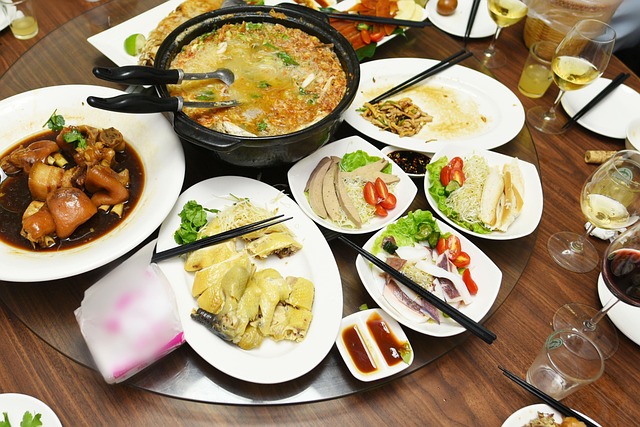
Introduction
When people think of Chinese food, the first images that often come to mind are takeout boxes of General Tso’s chicken or a pile of chow mein. But to stop there is to miss out on one of the world’s oldest, most diverse, and sophisticated culinary traditions. China’s vast landscape, spanning from the snowy north to the tropical south, has given birth to distinct regional cooking styles, each with its own philosophy, ingredients, and flavor profiles. Today, we embark on a mouthwatering tour to explore **5 delicious Chinese cuisines** that will forever change your understanding of this incredible food culture. Get ready to bookmark your next restaurant visit or home-cooking project!
- Sichuan Cuisine: The Bold & The Numbing
Hailing from the southwestern province of Sichuan, this cuisine is not for the faint of heart. It’s famous for its *málà* sensation—a unique combination of tongue-tingling numbness (*má*) from Sichuan peppercorns and fiery heat (*là*) from a variety of chilis.
Why it’s a standout among 5 delicious Chinese cuisines: Its fearless use of bold flavors creates addictive, complex dishes that are impossible to forget.
Must-Try Dishes:
Mapo Tofu: Silken tofu and minced pork in a fiery, oily, numbing sauce topped with scallions. It’s a masterpiece of texture and flavor
Kung Pao Chicken: The authentic version is a delightful dance of sweet, sou contrast.r, spicy, and numbing flavors with peanuts, chicken, and dried chilis.
Dan Dan Noodles: A street-food legend featuring wheat noodles in a spicy, savory, nutty sesame-chili sauce with minced pork.
Pro Tip: Authentic Sichuan food isn’t just about heat; it’s about the harmony of seven key flavors: spicy, sweet, sour, salty, bitter, pungent, and aromatic. For a fantastic deep dive into its fiery magic, check out the YouTube channel **Chinese Cooking Demystified**. Their video [“The Complete Guide to Sichuan Cuisine”](https://www.youtube.com/watch?v=9K-Tg4dQpkY) is an excellent resource for history, techniques, and recipes.
- Cantonese Cuisine: The Art of Subtlety & Freshness
Representing the food of Guangdong province (and Hong Kong), Cantonese cuisine is perhaps the most familiar to Westerners, yet its true depth is often underappreciated. Its philosophy is rooted in highlighting the natural, fresh flavors of premium ingredients. Seasoning is used sparingly and masterfully—never to mask, but to enhance.
Why it’s a standout among 5 delicious Chinese cuisines: Its refined techniques, like steaming and stir-frying, and emphasis on pristine seafood and meats, showcase a sophisticated, lighter side of Chinese cooking.
Must-Try Dishes:
Dim Sum: The crown jewel of Cantonese brunch. Think steamed har gow (shrimp dumplings), siu mai (pork and shrimp dumplings), and char siu bao (barbecue pork buns).
Roast Meats: Crispy-skinned roast pork (*siu yuk*), honey-glazed char siu, and roast duck are culinary marvels.
Steamed Whole Fish: Typically seasoned with ginger, scallions, and a splash of soy sauce, then steamed to tender perfection, celebrating the fish’s natural sweetness.
Pro Tip: The wok-hei (“breath of the wok”)—that inimitable smoky, slightly charred flavor—is the soul of a great Cantonese stir-fry. It requires a powerful flame and expert tossing.
- Jiangsu Cuisine (Su Cuisine): The Gourmet’s Delight
Originating from the lower Yangtze River region, including cities like Nanjing, Suzhou, and Shanghai, Jiangsu cuisine is known for its elegance, slightly sweet undertones, and exquisite presentation. It’s often considered the “haute cuisine” of China, with a history intertwined with scholars, artists, and the imperial court.
Why it’s a standout among 5 delicious Chinese cuisines: It embodies culinary finesse, with a focus on seasonal ingredients, intricate knife work, and beautifully balanced, often broth-based, flavors that are rich but not heavy.
Must-Try Dishes:
Sweet and Sour Mandarin Fish: A Suzhou specialty where a whole fish is skillfully deboned, cut to resemble a squirrel, fried until crispy, and served with a vibrant hot sweet-and-sour sauce.
Braised Lion’s Head Meatballs: Large, tender pork meatballs (the “lion’s head”) slowly braised with cabbage in a savory broth.
Shanghai Soup Dumplings (Xiaolongbao): These delicate dumplings are a engineering feat, filled with hot, savory soup and minced pork, requiring careful consumption.
Pro Tip: Jiangsu chefs are masters of hongshao (red-braising), a technique using soy sauce, sugar, and rice wine to create a rich, glossy, reddish-brown sauce.
- Shandong Cuisine (Lu Cuisine): The Ancient & The Aromatic
Hailing from the northern coast, Shandong cuisine is one of the oldest and most influential culinary schools in China. It’s the foundation for much of northern Chinese and even imperial cooking. Known for its emphasis on seafood, soups, and aromatic flavors like scallion and garlic, it uses less sugar than southern styles.
Why it’s a standout among 5 delicious Chinese cuisines: Its historical significance and mastery of both delicate seafood dishes and hearty, wheat-based staples like noodles and steamed buns offer a taste of China’s culinary roots.
Must-Try Dishes:
Braised Sea Cucumber with Scallions: A luxurious dish showcasing Shandong’s expertise with seafood and its iconic use of fragrant scallions.
Dezhou Braised Chicken: A nationally famous dish where the chicken is braised until the meat falls off the bone, infused with a complex mix of spices.
Sweet and Sour Carp:A Jinan specialty where a crispy fried whole carp is coated in a thick, bright sweet and sour sauce.
Pro Tip: Shandong is famous for its superior vinegar, used not just for sourness but to heighten and brighten other flavors in a dish.
- Hunan Cuisine (Xiang Cuisine): The Fiery & The Fermented often overshadowed by its neighbor Sichuan, Hunan cuisine from central China is just as spicy but with a different personality. It’s characterized by pure, direct heat, a love for fresh chilis (both green and red), and the pungent, umami depth of fermented ingredients like preserved beans and pickled vegetables.
Why it’s a standout among 5 delicious Chinese cuisines: Its aggressive, unapologetic heat and reliance on fermentation create rustic, bold, and deeply savory dishes that are intensely satisfying.
Must-Try Dishes:
Chairman Mao’s Red-Braised Pork: A beloved home-style dish of pork belly braised in soy sauce, rice wine, and a generous amount of dried red chilis.
Hunan Steamed Fish Head with Chopped Chili: A stunning plate where a massive fish head is steamed under a vibrant, fiery mountain of fresh chopped chili and garlic.
Stir-Fried Beef with Pickled Chili: A perfect example of the Hunan love for sour-spicy, featuring tender beef and the signature tang of pickled chilis.
Pro Tip: Where Sichuan aims for complex málà, Hunan is about gānlà—dry heat. The chilis are often used fresh or dried, providing a cleaner, more piercing spiciness.
Conclusion: Your Flavour Passport
Exploring these 5 delicious Chinese cuisines is more than just a meal; it’s a journey through geography, history, and culture. From the intricate subtlety of Cantonese steamed fish to the fiery, soul-warming braises of Hunan, each style tells a story of its people and land. This list is merely a starting point—China has numerous sub-regional variations and at least eight major culinary traditions. Go beyond the well-known menu, then. Visit a busy dim sum hall, look for a speciality Sichuan restaurant, or attempt a recipe from one of these amazing customs. Your palate will appreciate the experience.
FAQs About 5 Delicious Chinese Cuisines
Which Chinese cuisines are considered the “Eight Great Cuisines”?
A: Sichuan, Cantonese, Jiangsu, Shandong, Hunan, Zhejiang, Fujian, and Anhui cuisines are included in the most well-known classification. Some of the most popular and easily accessible Chinese cuisines are included in our list of 5 delicious Chinese cuisines.
What is the spiciest of the five delectable Chinese dishes?
A: In different ways, Sichuan and Hunan are the spiciest. Sichuan creates the málà effect by combining chilli heat with Sichuan peppercorns for numbness. Fresh and dried chillies provide a purer, more direct, and frequently drier heat that is preferred in Hunan cuisine.
I’m allergic to gluten. What is the safest cuisine?
The soy and oyster sauces, which are typical in Cantonese cuisine and contain wheat, can be skipped in many steamed and stir-fried dishes. Fermented beans and chilli bean paste, which may contain wheat, are common ingredients in Sichuan and Hunan cuisine. Always be explicit about your allergy and enquire about particular sauces.
How can I begin experimenting with these cuisines at home?
A: Let’s start with a classic dish! Try preparing a straightforward Cantonese stir-fry with garlic sauce or the traditional Sichuan Mapo Tofu. Purchase a few vital pantry essentials, like fermented bean paste, a good soy sauce, and Sichuan peppercorns. Excellent, understandable instructions are provided by YouTube channels that specialise in Cantonese home cooking, such as Chinese Cooking Demystified and Made With Lau.
What other Chinese foods should I try after these five?
A: You should definitely try the soupy, cosy dishes of Fujian cuisine, which is renowned for its fine broths and seafood, or Xinjiang cuisine, which has amazing lamb skewers and hand-pulled noodles influenced by Central Asia.
Meta Description: Take a tasty tour of five delectable Chinese dishes! Learn about the must-try foods, local secrets, and culinary tales that characterise China’s amazing culinary landscape, from Cantonese dim sum to Sichuan’s numbing spice. This is the place to begin your delicious journey.